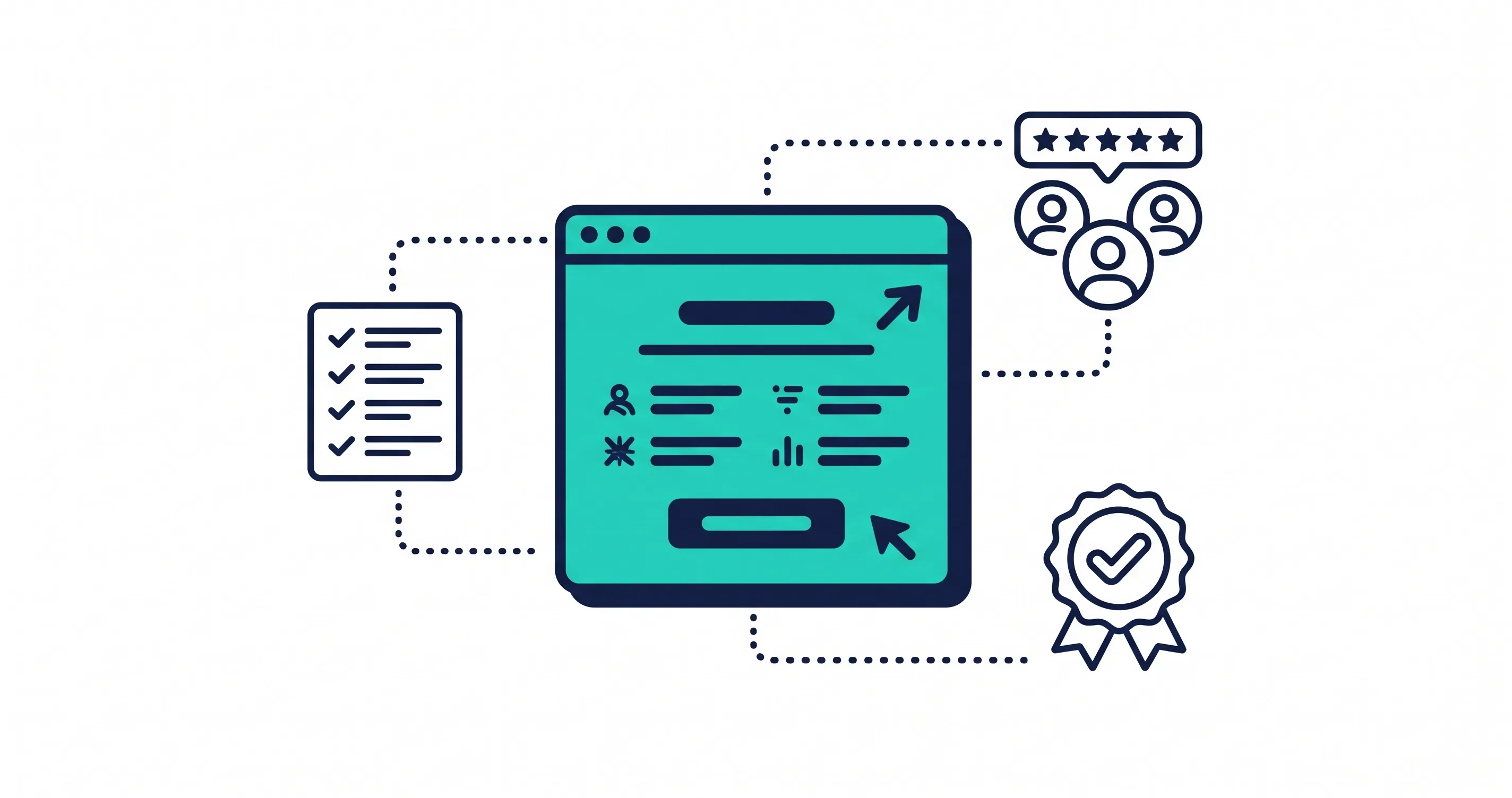
A service page sells effectively when it clearly explains the service, communicates its value, builds trust, and gives visitors an easy next step. Good service page design combines useful content, intuitive structure, strong visuals, SEO, and clear calls to action.
For service businesses, the goal is not simply to create an attractive page. The page should help potential customers understand their needs, evaluate the service, and feel confident about contacting the business.
What Makes a Service Page Effective?
An effective service page answers the visitor's main questions quickly:
- What service do you provide?
- Who is it for?
- What does it include?
- Why should someone choose it?
- What should the visitor do next?
The page should focus on customer needs instead of simply describing the company. Clear messaging and a logical service page structure make important information easier to find.
Why Service Page Design Matters for Conversions
Design affects how easily visitors understand and act on your content. Even a strong service can struggle to generate leads if the page is confusing or difficult to navigate.
A high-converting service page should guide visitors naturally from their initial question toward a clear next step.
Matching the Page to Search Intent
Start by understanding what the visitor wants when they search for your service.
Someone searching for "kitchen remodeling company" may be comparing providers. Another person searching for "kitchen remodeling cost" may be researching pricing.
Your service page content should match that intent. Address the questions and concerns behind the search instead of making visitors look elsewhere for basic information.
Building Trust Before the Call to Action
Visitors need reasons to trust a business before they submit a form or make a call.
Useful service page trust signals can include:
- Customer reviews
- Relevant project examples
- Industry experience
- Certifications or qualifications
- Clear service details
- Transparent processes
- Professional photography
Use genuine proof whenever possible. Trust should support the page throughout the visitor's journey.
Making Services Easy to Understand
Avoid unnecessary technical language and complicated explanations.
Explain what the service does, who it helps, what is included, and what customers can expect. If visitors cannot understand the offer quickly, they are less likely to continue exploring the page.
Essential Elements of a High-Converting Service Page
A high converting service page combines persuasive messaging with practical information. Every section should help visitors understand the service or move closer to contacting the business.
Write a Clear, Benefit-Focused Headline
The headline should immediately communicate what you offer and why it matters.
Avoid vague headlines such as "Professional Solutions." Instead, clearly identify the service and its main benefit.
A strong headline can also include a location when local search traffic is important.
Explain the Service and Its Value
After the headline, explain the service in simple language.
Focus on customer outcomes instead of only listing company capabilities. For example, a remodeling company can explain how its service improves a home's functionality, appearance, or usability.
Keep the explanation focused. Visitors should understand the core value without reading several long paragraphs.
Showcase Services, Features, and Deliverables
Tell visitors exactly what they receive.
Depending on the business, this could include:
- Specific services
- Project stages
- Materials or solutions
- Deliverables
- Service areas
- Timeline information
- Optional services
Clear details reduce uncertainty and help potential customers decide whether the service fits their needs.
Add Social Proof and Trust Signals
Social proof can strengthen a service page when visitors are comparing providers.
Use genuine reviews, completed projects, case studies, awards, or qualifications when available. Keep the proof relevant to the service rather than filling the page with unrelated claims.
The way these elements are positioned also matters. A strong understanding of visual hierarchy in web design can help visitors notice important information at the right time.
Use Clear Calls to Action
Every service page should make the next step obvious.
Common options include:
- Request a Quote
- Schedule a Consultation
- Call Now
- Get Started
- Contact Us
The CTA should tell visitors what happens when they click. A specific action is usually clearer than a generic button such as "Submit."
How to Structure a Service Page for Better User Experience
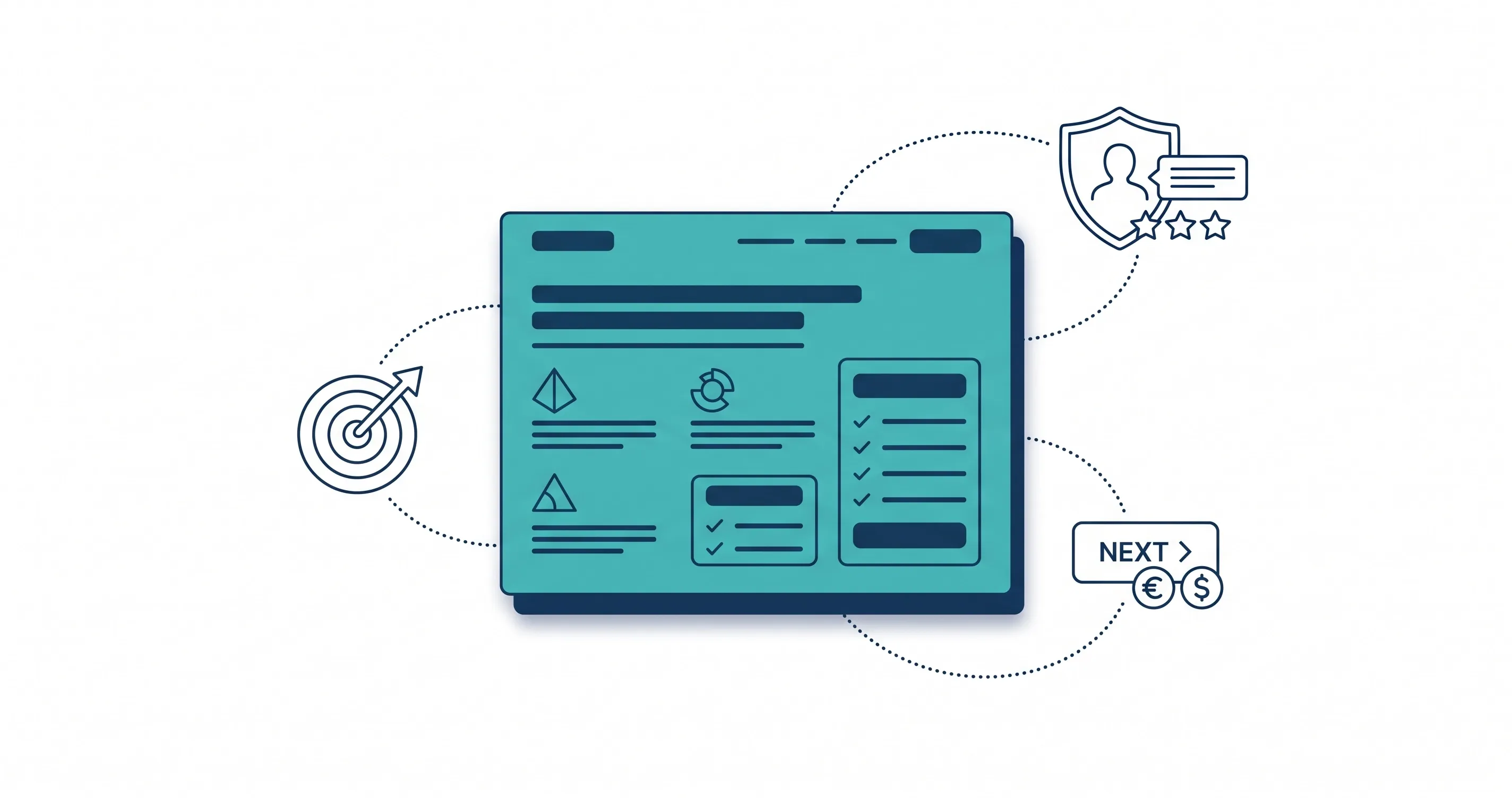
A good service page layout should follow the visitor's decision-making process.
A practical structure is:
- Hero section: Introduce the service and primary benefit.
- Service overview: Explain what you provide.
- Benefits: Show why the service matters.
- Services or deliverables: Explain what is included.
- Process: Show how the service works.
- Proof: Present reviews, projects, or credentials.
- FAQs: Answer common questions.
- CTA: Give visitors a clear next step.
Keep sections visually distinct and avoid large blocks of text. Good spacing, headings, images, and content hierarchy make the page easier to scan.
Mobile usability is equally important because many visitors will access service pages from phones. Applying mobile-first web design principles helps ensure important content and CTAs remain easy to use on smaller screens.
Service Page SEO Best Practices
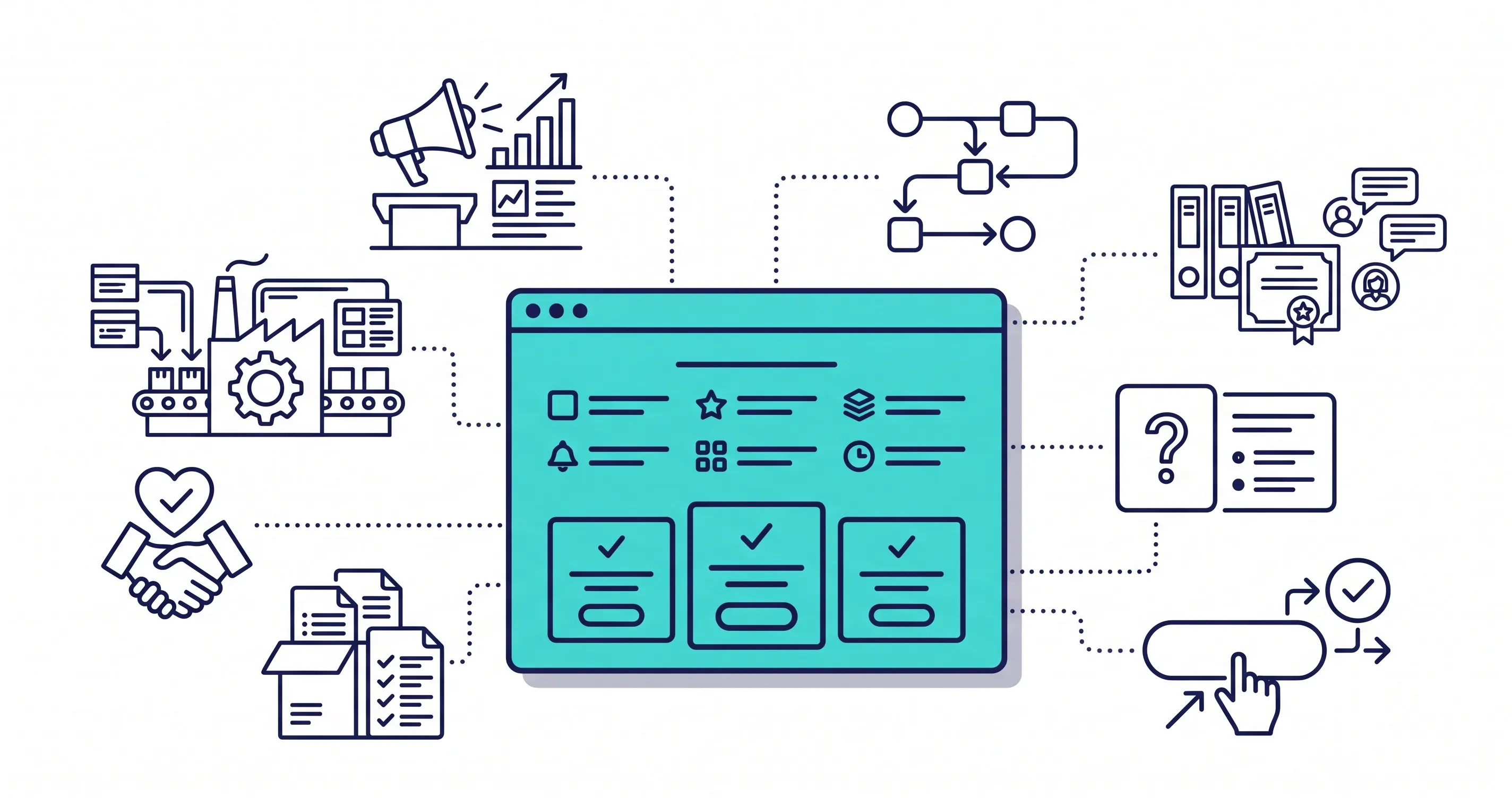
Service page SEO helps qualified users find your services through search engines.
Start with one primary keyword that accurately describes the service. Use it naturally in the page title, H1, introduction, relevant headings, URL, and supporting content.
Then add related terms and questions that help search engines understand the topic.
Important practices include:
- Match content to search intent.
- Write useful, original content.
- Use descriptive headings.
- Optimize title tags and meta descriptions.
- Add relevant internal links.
- Optimize images.
- Make the page mobile-friendly.
- Improve loading speed.
- Use a clear URL structure.
SEO should support the visitor rather than make the page sound repetitive.
For a broader understanding of how different website elements affect visitors, businesses can also consider the relationship between UX and UI design when planning service pages.
Common Service Page Mistakes That Hurt Conversions
Even an attractive page can generate poor results when its messaging or conversion path is unclear.
Vague Messaging and Weak Value Propositions
Visitors should immediately understand what you offer and why it is useful.
Avoid generic statements such as "We provide quality solutions." Explain the specific service, target customer, and value.
Too Many Calls to Action
Too many different CTAs can create unnecessary choices.
Choose one primary action for the page. Supporting CTAs can appear where appropriate, but they should not compete with the main conversion goal.
Missing Proof, Details, or Next Steps
Visitors may leave when they cannot find answers to basic questions.
Make sure the page explains the service, establishes credibility, and clearly shows what happens after someone contacts you.
How to Turn Service Page Visitors Into Leads
A strong service page conversion strategy follows a simple path:
Problem → Solution → Benefits → Proof → Action
Start by addressing the customer's problem. Explain your solution clearly, show its benefits, provide relevant proof, and present the next step.
Your contact process should also be simple. A long form asking for unnecessary information can discourage potential leads.
For local businesses, include relevant service areas and customer types when they help visitors determine whether the company is right for them.
The service page should also fit naturally within the wider website. Consistent navigation, typography, mobile usability, and visual design help visitors move between pages without confusion.
A consistent visual system is especially useful when service pages sit alongside a carefully designed homepage. Examples of modern homepage design approaches can help businesses maintain consistency across key pages.
Conclusion
Effective service page design is built around clarity, trust, usability, and action. A strong page explains the service, addresses customer concerns, provides relevant proof, and makes the next step easy.
SEO can bring qualified visitors to the page, but useful content and a strong user experience help turn those visitors into leads.
When every section has a clear purpose, a service page becomes more than an informational page. It becomes an important part of the website's lead generation strategy.
Share this article