Home/Technologies/Next.js

Next.js
Next.js is a React framework for building websites and web applications, with server rendering, routing, image optimization and API routes built in.
What Next.js is
Next.js is a React framework for the web. It adds what React leaves out: file-based routing, server and client rendering, data fetching, image and font optimization, and a way to write backend code alongside the front end. Pages can be rendered on the server, generated ahead of time or refreshed on a schedule, chosen page by page.
Next.js is built on current React features such as Server Components, which let parts of a page render on the server without sending extra JavaScript to the browser. Route Handlers and Server Actions let the same project receive webhooks, handle form submissions and talk to other services.
Features that matter for business sites
- Server rendering, so search engines and AI crawlers receive complete HTML
- Automatic image, font and script optimization for Core Web Vitals
- Nested layouts and file-system routing for large sites
- API endpoints in the same project for forms, webhooks and integrations
- Incremental regeneration to refresh pages without a full rebuild
When Next.js fits
Next.js fits custom marketing sites, headless storefronts, client portals and web applications. It pairs well with a headless CMS such as Payload, which runs inside a Next.js app. Because the same framework handles pages and server logic, a project can start as a marketing site and later add logins, dashboards or booking tools without switching platforms.
Next.js needs developers to build and maintain. It is less suited to a business that wants to rearrange page layouts itself without a development partner.
Next.js projects can be deployed to Vercel, which is made by the same company, or run in containers on other hosting. That choice can be made per project based on traffic, budget and integration needs, and the application code stays the same either way.
How we use it
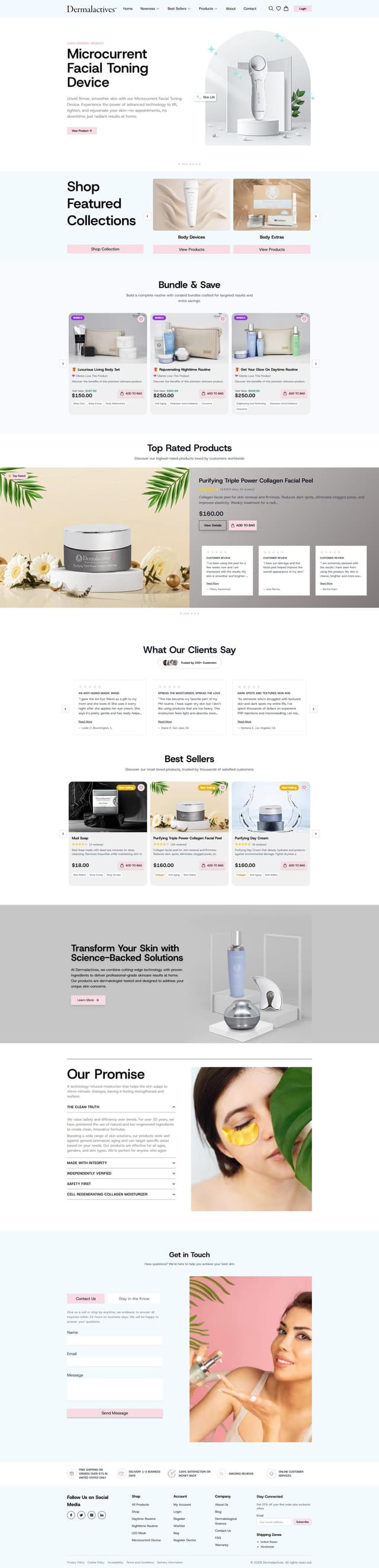
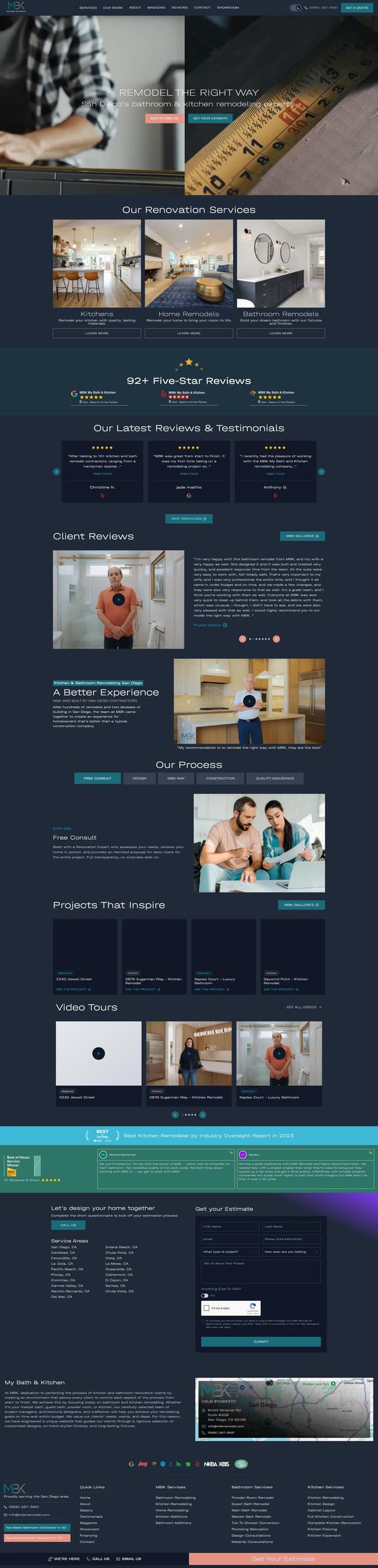
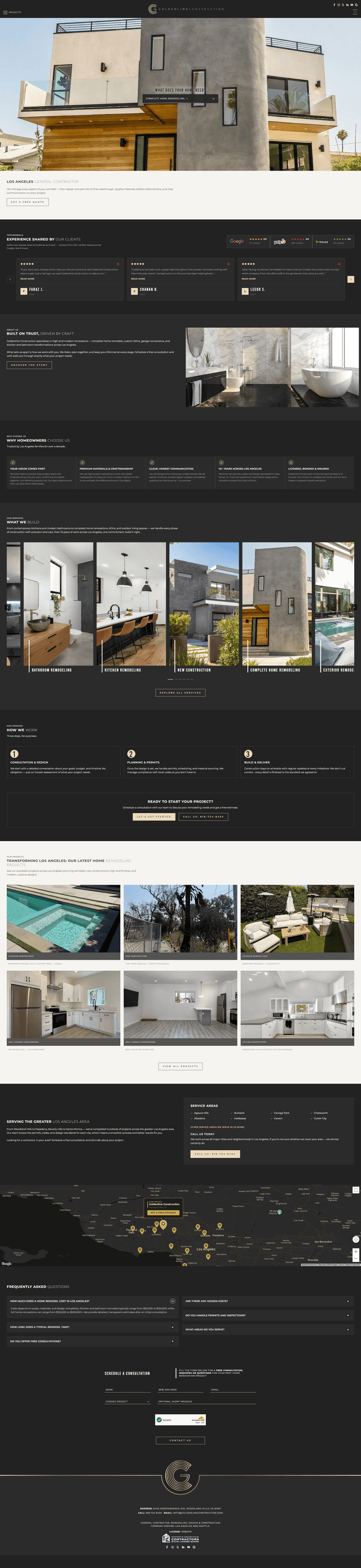
1REALTOUR builds custom websites and web applications in Next.js. Marketing sites pair Next.js with Payload CMS for content, and applications use Next.js for client portals, booking tools and internal dashboards. We set up forms, analytics, structured data and deployment pipelines so each change is previewed before it goes live.
Projects built with Next.js























Frequently asked questions
What is Next.js used for?
Is a Next.js website good for SEO?
Can a Next.js site have a CMS?
What is the difference between React and Next.js?
Ready to Build Your Next Success Story?
Whether you're launching a new business, redesigning your website, or looking for a long-term digital partner, we're ready to help you create a digital presence that supports sustainable business growth.
