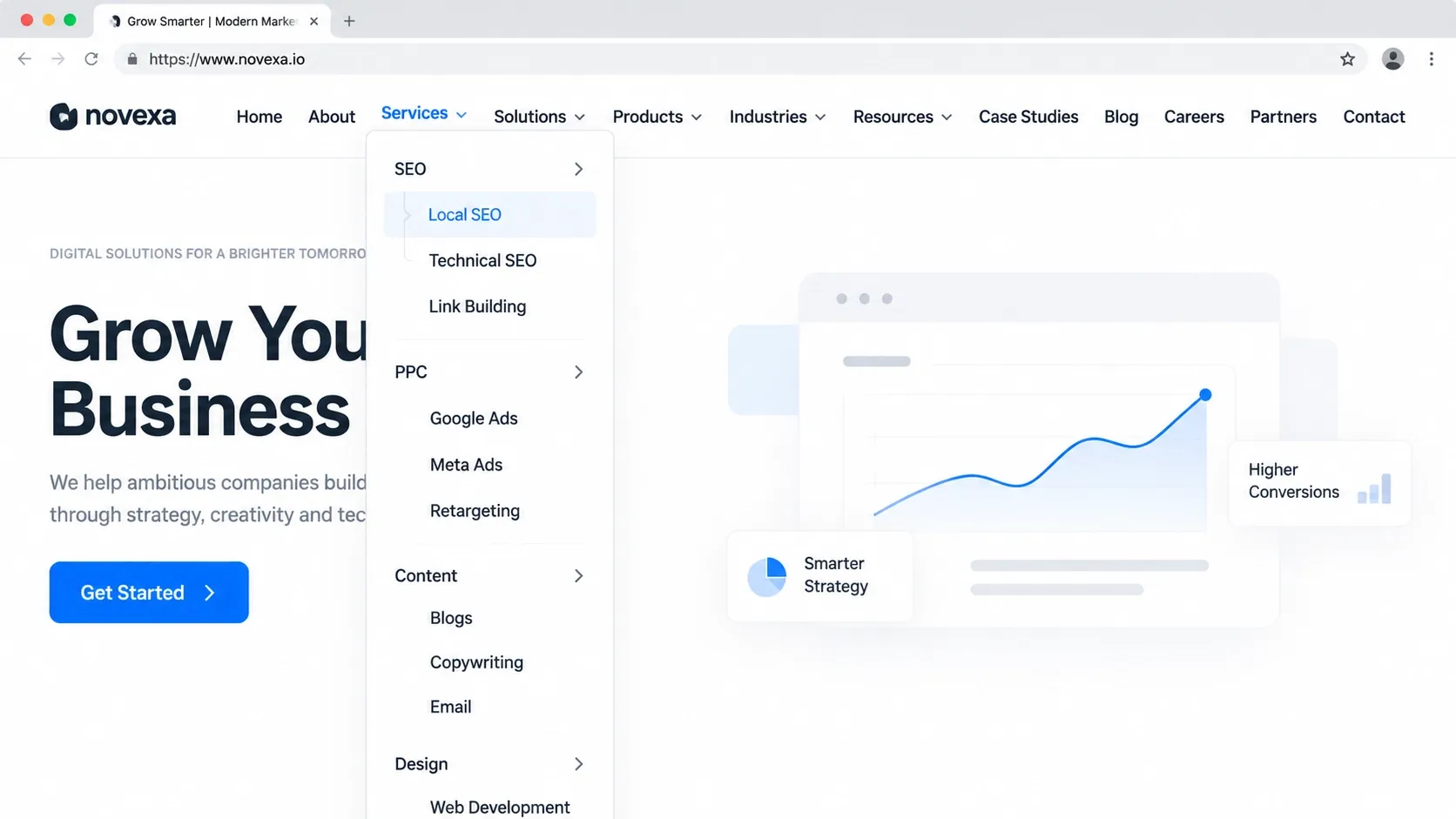
Hero images are the large visual elements near the top of a webpage that help shape a visitor’s first impression. They can quickly communicate what your business does, establish a visual tone, and guide attention toward important content.
A well-chosen website hero image should do more than look attractive. It should support your message, fit your design, load efficiently, and work across desktop and mobile screens. For businesses competing online, these details can influence how visitors perceive the quality and professionalism of the brand.
What Is a Hero Image on a Website?
A hero image is a prominent visual placed near the top of a webpage, often within the website hero section. It may appear beside the main headline or serve as a background behind the headline, supporting text, and call-to-action button.
Why Your Website’s First Impression Matters
Visitors often make quick judgments about whether a website feels relevant, professional, and easy to use. Your hero section plays an important role because it is usually one of the first areas they see.
The image, headline, navigation, and CTA should work together rather than compete for attention. When these elements are organized clearly, visitors can understand what the business offers and where to go next.
For service businesses, this first impression can be especially important. A polished website can make it easier for potential customers to understand the company's services and continue exploring the site.
How Hero Images Shape User Perception
Hero images influence perception through relevance, visual quality, and placement. The right image can support your message without becoming a distraction.
Communicating Your Brand and Value
Your image should reflect what your business actually offers. A remodeling company, for example, can use a high-quality photograph of a completed remodeling project instead of a generic home image.
This gives visitors immediate visual context and connects the image to the service being promoted. The same principle applies to products, professional services, real estate, and other industries.
Building Trust Through Visual Quality
Image quality contributes to the overall impression of a website. Blurry, poorly cropped, outdated, or obviously irrelevant images can make an otherwise professional design feel less credible.
Professional website images should look natural and fit the brand. When possible, authentic photographs of real projects, products, or environments can make the website feel more genuine.
Other design details matter too. For example, website typography can influence user trust when fonts, spacing, and text presentation are handled consistently.
Guiding Visitors Toward the Next Step
A hero image should support the action visitors are expected to take. It should not make the headline or CTA difficult to see.
For example, a service page could use a relevant project photograph alongside a short headline and contact button. The image establishes context while the content provides direction.
Good visual hierarchy helps visitors identify the most important elements without having to search the page.
What Makes a Hero Image Effective?
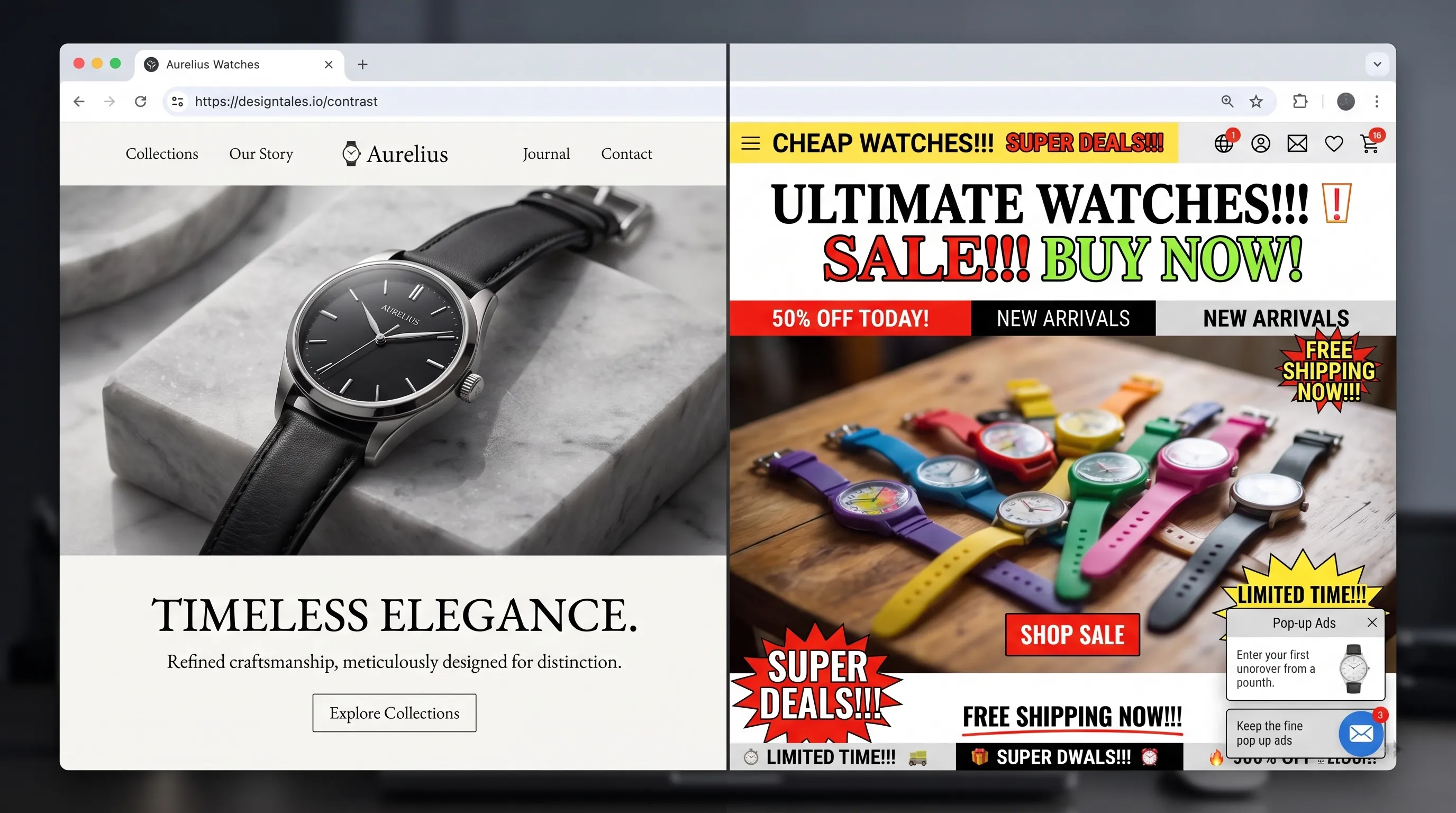
An effective hero image needs to work with both the content and the design. These four factors are particularly important.
Relevance to Your Audience
Choose an image that your target audience can immediately connect with. The visual should support the subject of the page rather than simply fill empty space.
If a construction company promotes kitchen remodeling, an actual kitchen project is more meaningful than an unrelated lifestyle photograph.
Relevance helps visitors understand the connection between the image and the service.
Image Quality and Composition
A hero image should be sharp, well-lit, and appropriately composed. The subject should remain clear, especially when text or buttons appear nearby.
Composition also matters because important details can become hidden when an image is cropped. Leave enough usable space for the surrounding content and consider how the image will appear on different screen sizes.
Strong Visual Hierarchy
The hero section should have an obvious focal point. Visitors should quickly recognize the main headline, supporting message, image, and primary CTA.
The image should strengthen this hierarchy rather than overpower it. Understanding visual hierarchy in web design can help when deciding how images and other elements should compete for attention.
Clear Connection to Your Message
The image should reinforce the promise made by the headline. If the headline promotes a specific service, the image should help visitors understand that service.
Avoid choosing an image simply because it looks impressive. The strongest hero image is the one that makes the page easier to understand.
How Hero Images Affect Website Performance
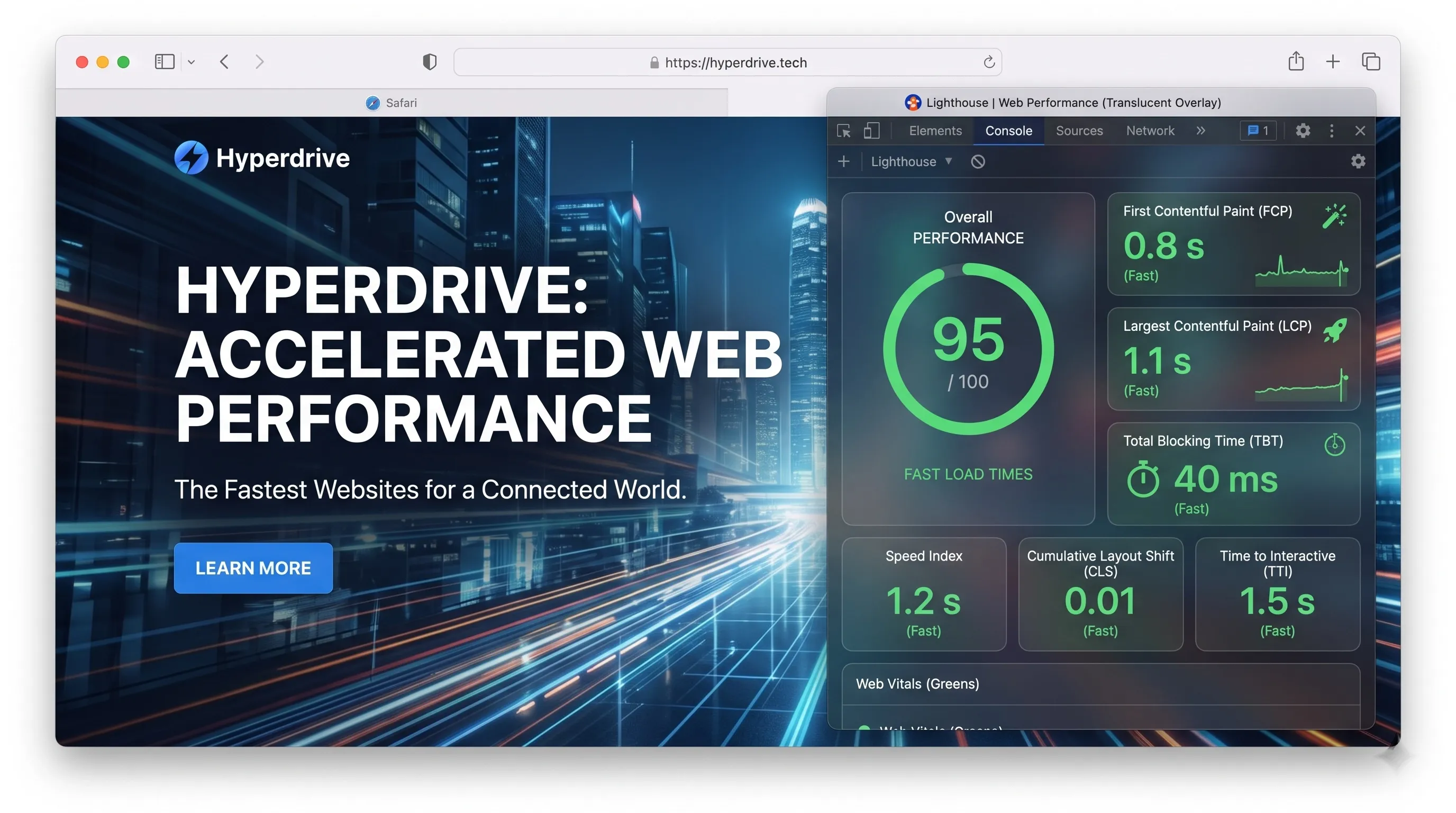
Large visual elements can also affect the technical side of your website. A good hero image needs to look sharp without unnecessarily slowing down the page.
Image Size and Page Load Speed
Large image files can increase page weight and take longer to load. This can be particularly noticeable for visitors using mobile devices or slower connections.
Before uploading an image, resize it to a practical display dimension and compress it appropriately. You should not use a huge original file when a smaller version can provide the same visual result.
Responsive Images for Different Devices
A desktop hero image may not look the same on a smartphone. Responsive layouts can change the image size and crop depending on the available screen space.
Make sure the important part of the image remains visible on smaller screens. Text should also remain readable, and buttons should remain easy to access.
A mobile-first approach to web design helps designers consider smaller screens from the beginning rather than fixing mobile issues later.
Image Optimization Without Losing Quality
Image optimization is about finding the right balance between quality and performance. Useful practices include:
- Compressing images before uploading
- Using suitable image dimensions
- Choosing efficient image formats
- Avoiding unnecessarily large files
- Testing images on desktop and mobile
- Checking how optimization affects visual quality
The goal is a fast-loading image that still looks professional.
How to Choose the Right Hero Image for Your Website
Start by identifying what visitors need to understand first. Then choose an image that supports that message.
Consider these questions:
- Is the image relevant?
It should clearly relate to your business, service, product, or page. - Does it fit the brand?
The style and quality should match the rest of your website. - Does the composition support the content?
Make sure the image does not interfere with headlines or CTAs. - Will it work on mobile?
Check how the subject looks when the image is cropped. - Is it optimized?
Keep the file size reasonable without sacrificing necessary quality. - Does it feel authentic?
Original project or product photography can often provide more relevant context than generic stock imagery.
A strong homepage design approach considers the hero image as part of the complete layout rather than treating it as an isolated design element.
Conclusion
Hero images are an important part of a website's first impression. The right image can communicate your brand, reinforce your message, build visual trust, and help visitors understand what to do next.
However, an attractive image is not enough. It should be relevant, well-composed, responsive, and optimized for performance.
For businesses in San Diego and surrounding areas, thoughtful hero image selection can help create a website that feels professional and communicates its value clearly.
Share this article