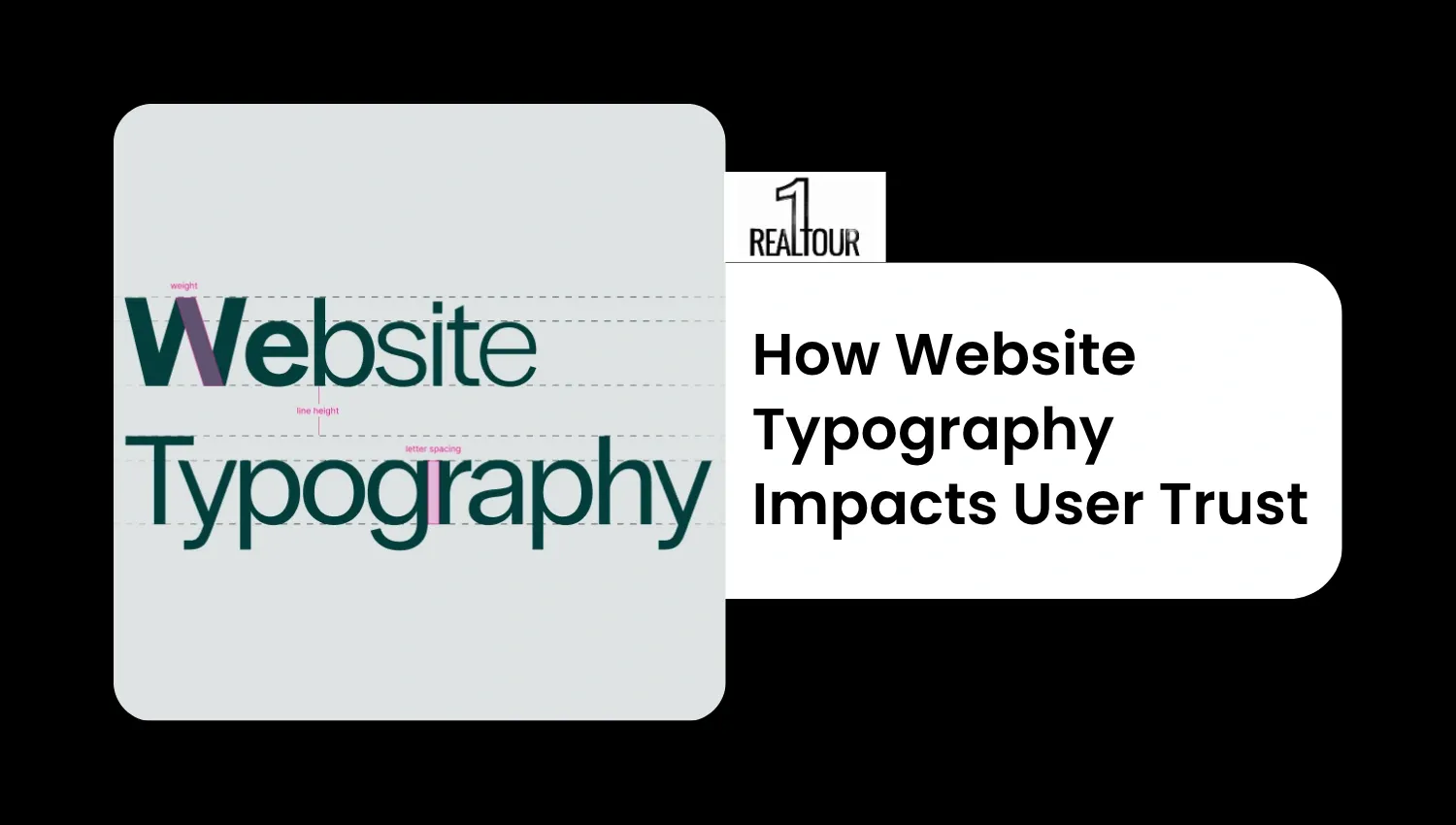
Typography is one of the first design elements users notice when they land on a website. The right font choices, spacing, and visual hierarchy quietly shape how visitors feel about your brand before reading a single word. A modern and consistent type system doesn’t just improve readability it builds trust and professionalism.
Why Typography Matters in Web Design
Typography goes far beyond style. It influences how people interpret your content, perceive your authority, and decide whether to stay or leave. A well-structured type system communicates clarity, reliability, and care, qualities users subconsciously associate with trustworthy brands.
Visual design and credibility are deeply connected. Studies by the Stanford Web Credibility Project found that 75% of users judge a company’s credibility based on its website design, and typography plays a major role in that impression. Clean fonts, balanced spacing, and consistent use of size and color make your content easier to read, helping users feel confident about your message.
Typography also expresses your brand personality. A professional firm might use refined serif fonts to convey stability, while a creative agency could choose modern sans-serif or geometric typefaces for a bold, innovative look. The key is alignment when typography matches your brand voice, it reinforces authenticity and trust from the very first glance.
The Psychology of Fonts and Perceived Credibility
Typography isn’t just about aesthetics, it shapes how people emotionally respond to your website. Each font style conveys subtle psychological cues that help visitors decide whether your brand feels credible, modern, or approachable. Understanding these nuances allows designers to create a trustworthy and engaging user experience.
Serif fonts are traditionally linked to authority and professionalism. Their small decorative strokes at the end of each letter create a sense of structure and tradition. Brands in finance, law, or education often use serif typefaces like Times New Roman or Georgia to evoke reliability and expertise. These fonts signal that the business values precision and integrity, reassuring visitors that they are in capable hands.
Sans-serif fonts, on the other hand, feel more open, minimal, and modern. The clean, straight edges improve on-screen readability and give websites a fresh, tech-forward vibe. Companies like Google and Airbnb use sans-serif typefaces to communicate innovation and accessibility. This modern simplicity helps users focus on the content, reinforcing transparency and ease of use.
Typography also carries emotional weight through style, size, and spacing. Larger fonts with generous line spacing feel friendly and open, while tightly spaced or complex typefaces can create tension. Even subtle contrasts such as bold headings paired with lighter body text guide attention and shape how users emotionally connect with the content.
According to research from the Stanford Web Credibility Project, nearly half of users cite overall design, including typography, as their primary reason for trusting or mistrusting a website. This means the fonts you choose aren’t just a visual decision, they directly impact how your audience perceives your brand’s honesty and professionalism.
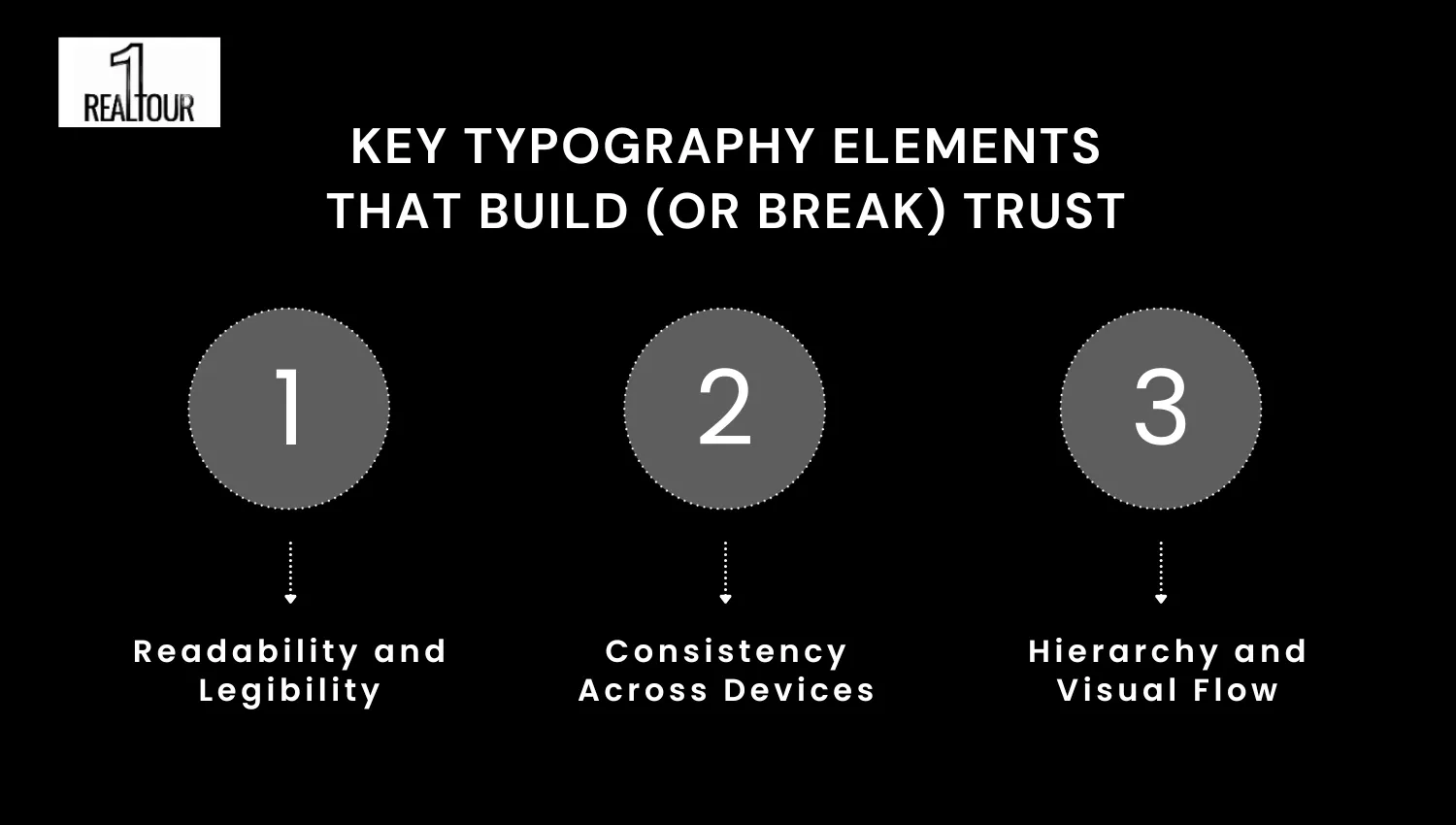
Key Typography Elements That Build (or Break) Trust
Typography does more than decorate a page. It establishes order, communicates tone, and directs user attention. When typography is inconsistent or poorly structured, users may lose confidence in a website’s credibility. The following key elements determine whether your typography builds trust or erodes it.
Readability and Legibility
Readability defines how easily visitors can process your content. Font size, spacing, and line height all influence how comfortable the reading experience feels.
- Font size: Use a minimum of 16px for body text to ensure clarity across screens.
- Line height: Keep it between 1.4 and 1.6 times the font size for optimal visual flow.
- Spacing: Adequate letter and paragraph spacing reduce cognitive strain, allowing users to focus on meaning rather than effort.
If your website typography lacks consistency, even a strong design can lose its credibility. That’s why many businesses choose professional website design services from 1REALTOUR to ensure readability and visual balance across every page.
Consistency Across Devices
Trust is reinforced when typography looks and feels the same across every device. If a font shifts shape or alignment between mobile and desktop, users may perceive the design as careless or outdated.
- Choose web-safe fonts that display uniformly across browsers.
- Maintain a consistent font family and color palette in all design elements.
- Test on multiple devices to ensure visual harmony.
Consistency builds recognition. When users see the same typography style each time they interact with your brand, it strengthens familiarity and reliability, two powerful drivers of long-term trust.
Hierarchy and Visual Flow
A clear hierarchy guides readers through information in the right order. Headings, subheadings, and body text should work together to create a logical path.
- Use contrasting font weights and sizes to define importance.
- Ensure headings stand out without overwhelming the design.
- Keep visual balance so the reader’s eye moves naturally from one section to the next.
Typography hierarchy is like a roadmap for your content. When users instinctively know where to look next, they feel more in control and engaged, a critical component of trust and user satisfaction.
Modern Typography Trends That Improve User Trust
Typography in 2025 is all about balance, simplicity, accessibility, and adaptability. As design continues to evolve, brands are using type not just to inform but to connect emotionally with users. Modern typography trends go beyond aesthetics; they build a sense of reliability and authenticity that directly affects how visitors perceive your brand.
Variable Fonts and Adaptive Layouts
Variable fonts have become a game-changer in responsive web design. They allow flexibility in weight, width, and style within a single font file, helping websites load faster and adapt perfectly to any device. This trend ensures brand consistency without sacrificing speed or usability. According to Smashing Magazine, variable fonts improve performance and accessibility while maintaining a consistent user experience.
Minimalist, Content-First Typography
Clean, minimal typography is now a key design direction. It helps highlight the message rather than overwhelm the user with decoration. Using generous white space and neutral color contrasts creates calm, readable layouts that feel credible.
Accessibility-Focused Font Choices
Accessibility has become a central factor in typography decisions. Readable fonts like Open Sans, Lato, and Roboto are preferred for their clarity and compliance with WCAG guidelines. Proper line height and contrast ratios ensure inclusivity, enhancing both user trust and search visibility.
Smarter Typography Optimization Tools
Modern design platforms like Figma, Adobe XD, and Webflow allow real-time type scaling and responsiveness. These tools make it easier for designers to maintain a consistent hierarchy across devices, ensuring every visitor whether on desktop or mobile has a seamless experience.
Comparison Table between Trustworthy vs Untrustworthy Typography Choices
Aspect | Builds Trust | Breaks Trust |
Font Type | Clean, readable (e.g., Open Sans, Lato) | Decorative or outdated fonts |
Spacing | Balanced, easy to scan | Crowded or inconsistent spacing |
Color Contrast | High contrast for clarity | Low contrast or poor readability |
Consistency | Same style across pages | Random font pairings |
Accessibility | Meets WCAG standards | Hard-to-read combinations |
For businesses ready to elevate their digital presence, exploring 1REALTOUR’s branding and web design expertise can help you build credibility through smart, user-centered design.
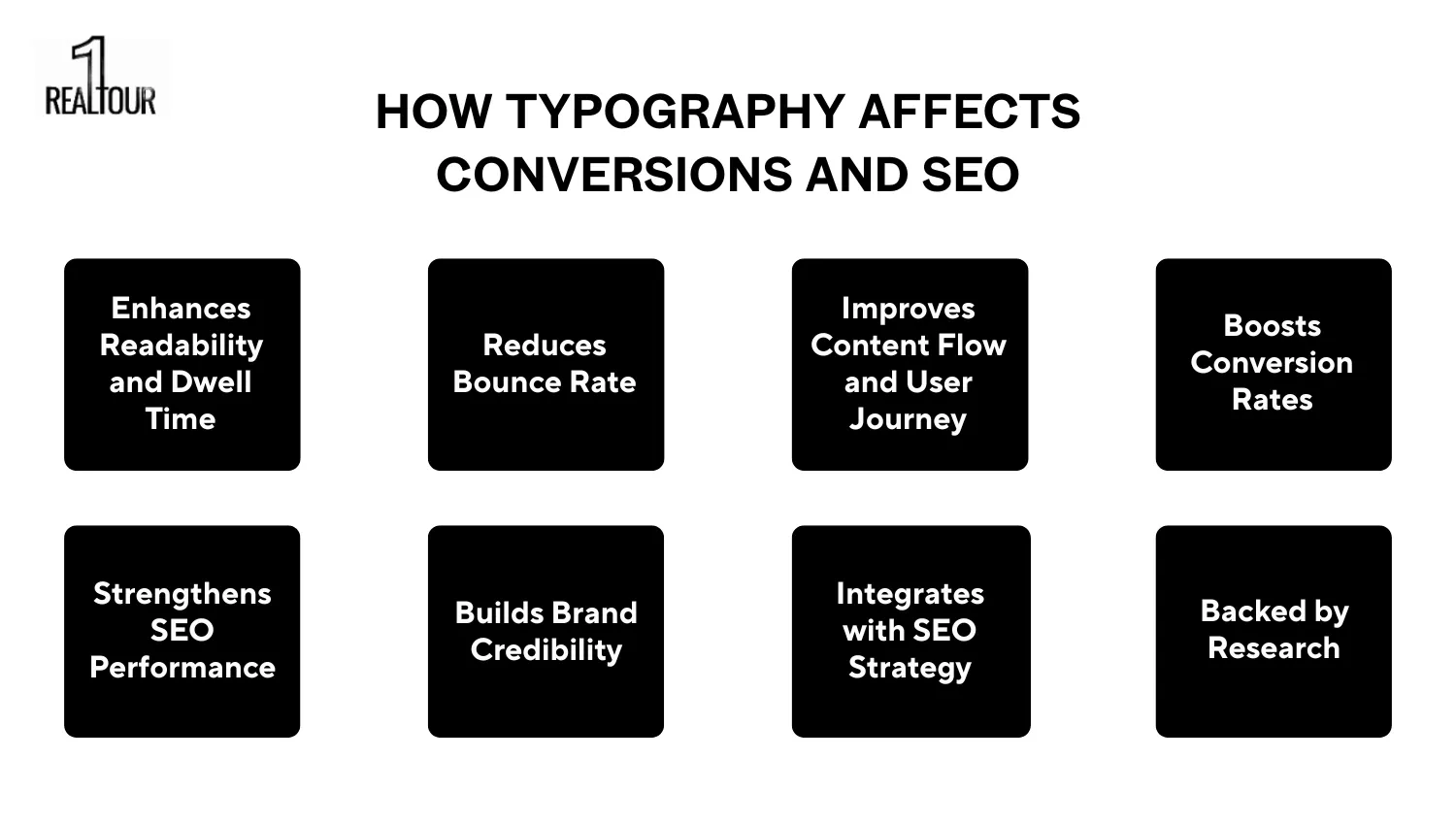
How Typography Affects Conversions and SEO
Typography influences both user experience and search performance in powerful ways. Here’s how:
- Enhances Readability and Dwell Time Clear, consistent typography encourages visitors to stay longer, increasing dwell time and signaling value to search engines.
- Reduces Bounce Rate When users find your content easy to read, they’re less likely to leave immediately, improving your bounce rate and engagement metrics.
- Improves Content Flow and User Journey Well-structured headings, subheadings, and spacing guide users naturally through your content, helping them find what they need quickly.
- Boosts Conversion Rates Typography affects how users perceive CTAs and key messages. A strong hierarchy draws attention to conversion points without feeling forced.
- Strengthens SEO Performance Search engines favor pages that offer a great user experience. Optimized typography enhances readability, accessibility, and structure, all of which support higher rankings.
- Builds Brand Credibility Consistent, professional typography increases trust and authority, helping users associate your site with reliability and expertise.
- Integrates with SEO Strategy At 1REALTOUR, ourSan Diego SEO Company approach ensures your design and typography work hand in hand to improve engagement and organic visibility.
- Backed by Research Studies from Nielsen Norman Group show that typography is one of the first design cues users use to judge a website’s credibility.
In short, typography is more than just visual style, it’s a key driver of conversions, engagement, and SEO success.
Actionable Tips to Improve Website Typography
Typography is one of the most effective ways to make your website look professional and trustworthy. Here’s a quick checklist to refine your design and create a stronger user experience:
- Use 2–3 Font Families Max Limiting your font selection maintains visual harmony and helps your content feel cohesive. Mixing too many fonts can distract readers and weaken your brand identity.
- Maintain a Clear Hierarchy (H1–H3) A structured heading system helps guide users naturally through your content. It ensures key information stands out and improves scannability.
- Ensure WCAG Color Contrast Ratio Proper contrast makes text easy to read and ensures accessibility for all users. Tools like the Google Fonts library make it easier to choose web-safe, high-contrast typefaces.
- Test Font Readability on Mobile Since most users browse on mobile devices, always test how your typography scales across screens. Responsive type maintains professionalism and usability.
- Use Design Tools for Precision Platforms like Figma, Webflow, and Adobe XD can help fine-tune your font sizing, spacing, and layout for an elegant, conversion-friendly look.
- Review Visual Consistency Before publishing, cross-check your site for font alignment, consistent letter spacing, and capitalization.
Visit the1REALTOUR Portfolio to see how cohesive typography strengthens design storytelling.
Conclusion
Typography directly shapes how visitors perceive your brand, it defines trust, readability, and overall experience. A thoughtful approach to type can elevate your website from looking average to feeling exceptional, helping users stay longer and engage more deeply.
Ready to build a website that looks professional and earns user trust?Contact 1REALTOUR today to start your design journey.
Share this article