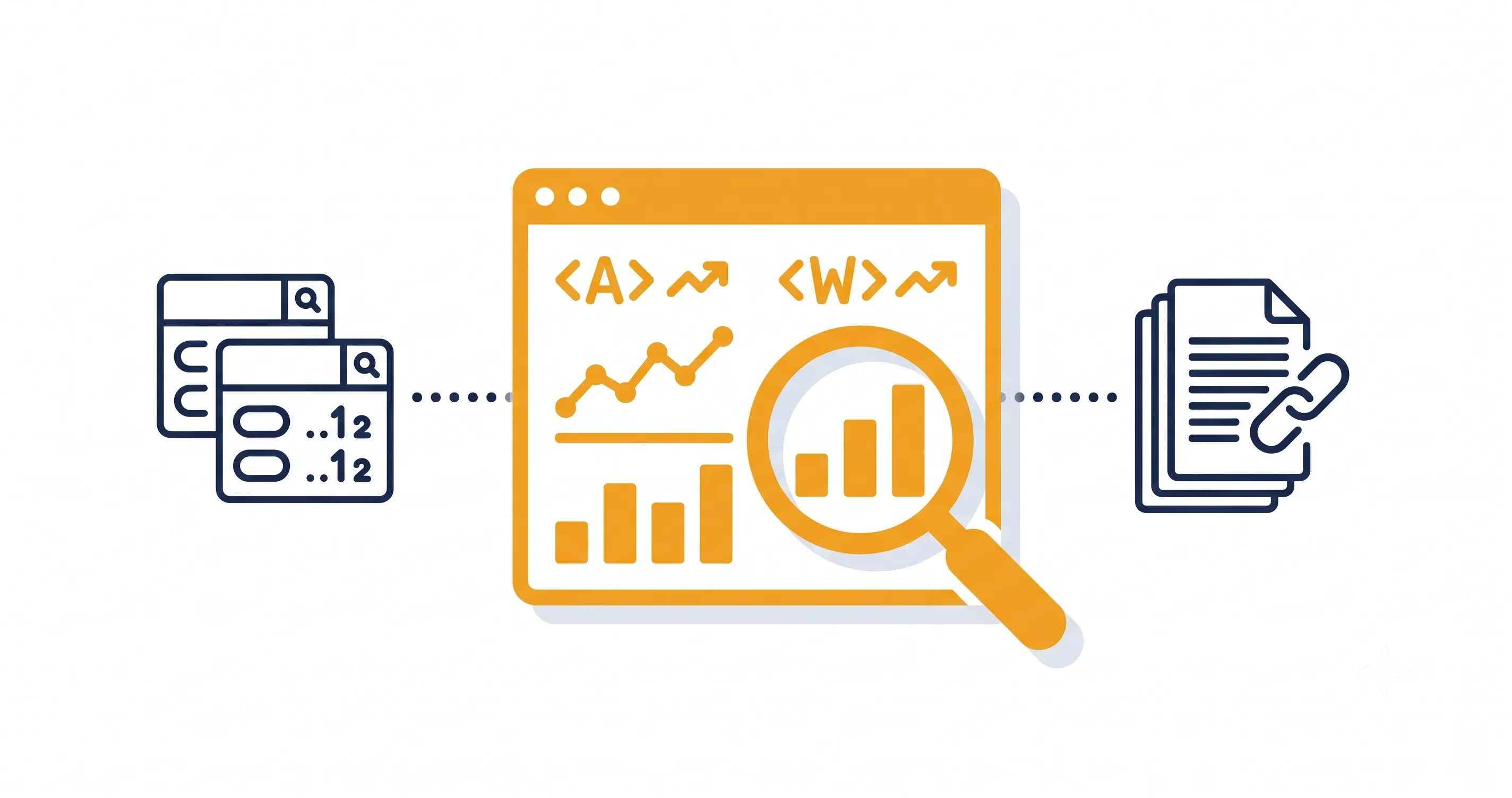
SEO competitor analysis is the process of evaluating the websites that rank for the same keywords as yours to understand what helps them succeed in search results. By analyzing their keywords, content, backlinks, and technical SEO, you can uncover opportunities to improve your own website and build a stronger SEO strategy.
The goal isn’t to copy your competitors. Instead, it’s to identify what’s working, find gaps in your own strategy, and create content that provides a better experience for your audience. In this guide, you’ll learn how to perform SEO competitor analysis step by step using Semrush.
What Is SEO Competitor Analysis and Why Does It Matter?
SEO competitor analysis is the practice of comparing your website with others competing for the same search visibility. These may not be your direct business competitors, but they are earning traffic from the keywords you want to rank for.
A thorough competitor analysis helps you:
- Discover valuable keyword opportunities.
- Understand what type of content performs well.
- Find high-quality backlink opportunities.
- Improve your website’s technical performance.
- Make smarter SEO decisions based on real data.
As you evaluate competing websites, pay attention to the signals that appear to influence their rankings, including content quality, page experience, backlinks, and search intent. Understanding the top Google ranking factors makes it much easier to recognize why certain pages consistently outperform others.
How to Identify Your Real SEO Competitors
Your biggest SEO competitors aren’t always the businesses you compete with offline. They’re the websites that regularly appear in Google for the keywords you want to target.
Start by searching your primary keyword and noting the websites that appear on the first page. Then, open Semrush and navigate to Organic Research. Enter your website’s domain and select the Competitors tab. Semrush will generate a list of websites ranking for similar keywords and show how much your keyword profiles overlap.
Focus on competitors that:
- Target a similar audience.
- Rank for multiple relevant keywords.
- Consistently appear in organic search.
- Publish helpful, well-structured content.
These are the websites worth studying because they’re competing for the same search traffic.
Analyze Your Competitors Step by Step
Once you’ve identified your competitors, evaluate each SEO area separately. This makes it easier to understand where they’re succeeding and where you have opportunities to improve.
Keywords They Rank For
Open Semrush Organic Research and enter your competitor’s domain. Select the Positions report to see the keywords they rank for, their ranking positions, estimated traffic, and the pages driving those rankings.
Next, use the Keyword Gap tool to compare your website with two or three competitors. The report highlights keywords they rank for that your website is missing, making it easier to prioritize new content opportunities.
As your website grows, monitor whether multiple pages begin targeting the same keyword. Fixing keyword cannibalization ensures your pages work together instead of competing against each other in search results.
Content Strategy
After identifying important keywords, visit the pages that rank well and evaluate the content itself. Look at how the article is organized, what questions it answers, and whether it completely satisfies the reader’s search intent.
Notice how competitors use headings, images, examples, and FAQs to make their content easier to understand. The highest-ranking pages usually follow a logical structure instead of covering topics randomly. Creating SEO-optimized blog outlines before writing helps you organize information logically, cover every important topic, and create content that is easier for both readers and search engines to understand.
On-Page SEO
Review each competitor’s page to see how they optimize important on-page elements. Check the title tag, meta description, headings, URL structure, internal links, image optimization, and page layout.
You can also use Semrush On Page SEO Checker to analyze your own pages. The tool compares your content with higher-ranking competitors and provides recommendations for improving relevance, readability, and overall optimization.
Backlinks
Open Semrush Backlink Analytics and enter a competitor’s domain. Review the referring domains, anchor text, and the pages earning the most backlinks.
Rather than trying to copy every backlink, look for patterns. You may discover industry directories, trusted blogs, local organizations, or business associations that regularly link to quality resources. These websites can become valuable outreach opportunities when you publish useful, original content.
Technical SEO
Strong technical SEO helps search engines crawl, index, and understand your website more efficiently while providing a better experience for visitors.
Run your website through Semrush Site Audit to identify issues related to page speed, broken links, HTTPS security, mobile usability, crawlability, and Core Web Vitals. Then compare your results with your competitors to identify areas where you can improve.
While reviewing competitor pages, check whether they use structured data to enhance their search listings. Learning how to implement schema markup to boost SEO can help search engines better understand your content and improve how your pages appear in search results.

SEO Competitor Analysis Tools You Can Use
Although you can analyze competitors manually, SEO tools make the process faster and provide valuable insights.
Tool | Best For |
|---|---|
Semrush | Keywords, competitors, backlinks, and site audits |
Google Search | Finding competitors and analyzing search intent |
Google Search Console | Tracking your own SEO performance |
Google PageSpeed Insights | Checking page speed and Core Web Vitals |
If you’re using Semrush, these tools cover most of your competitor research:
- Organic Research: Find competitors and their ranking keywords.
- Keyword Gap: Discover keywords your competitors rank for but you don’t.
- Backlink Analytics: Analyze competitor backlink profiles.
- Site Audit: Identify technical SEO issues.
- On Page SEO Checker: Get recommendations to improve your pages.
As search behavior changes, understanding zero-click searches can also help you optimize content for greater visibility in search results.

Turn Competitor Insights Into Your SEO Strategy
Once you’ve gathered your data, turn it into a clear action plan. Focus on improvements that will have the biggest impact on your website.
Start by:
- Creating content for keyword gaps.
- Updating pages that have lost rankings.
- Improving on-page SEO.
- Building quality backlinks.
- Fixing technical SEO issues.
Review your competitors regularly because search rankings change over time. Instead of copying their strategy, use your research to create content that is more helpful, better organized, and aligned with user intent.
Common SEO Competitor Analysis Mistakes to Avoid
Even with the right tools, it’s easy to make mistakes that limit the value of your research. Avoid these common pitfalls:
- Focusing only on direct business competitors instead of websites ranking for your target keywords.
- Copying competitor content instead of creating something more useful and original.
- Ignoring search intent and targeting keywords that don’t match your audience’s needs.
- Looking only at keywords while overlooking backlinks, technical SEO, and content quality.
- Treating competitor analysis as a one-time task instead of reviewing it regularly.
The goal isn’t to replicate another website. It’s to understand what’s working and use those insights to create a better experience for your audience.
Conclusion
SEO competitor analysis isn’t about copying what others are doing—it’s about learning from the search landscape and making better decisions for your own website. By consistently analyzing keywords, content, backlinks, and technical performance, you can uncover opportunities that help your site grow organically.
If you need expert guidance developing a data-driven SEO strategy, our SEO team can help you identify opportunities and build a long-term plan that supports sustainable search growth.
Share this article