Modern consumers ignore generic, feature-heavy websites. They demand digital experiences that resonate on a personal level. Integrating storytelling into website design transforms a static page into an engaging, high-converting journey. A compelling narrative captures attention, builds immediate trust, and drives measurable revenue.
Connecting Emotionally With Your Target Audience
Narrative-driven design turns passive visitors into emotionally invested users. When users see their own struggles reflected in your content, they naturally stay longer. This psychological connection drastically reduces site bounce rates. Brands secure lasting loyalty by making the user the hero of the digital experience.
Structuring the User Journey as a Narrative Arc
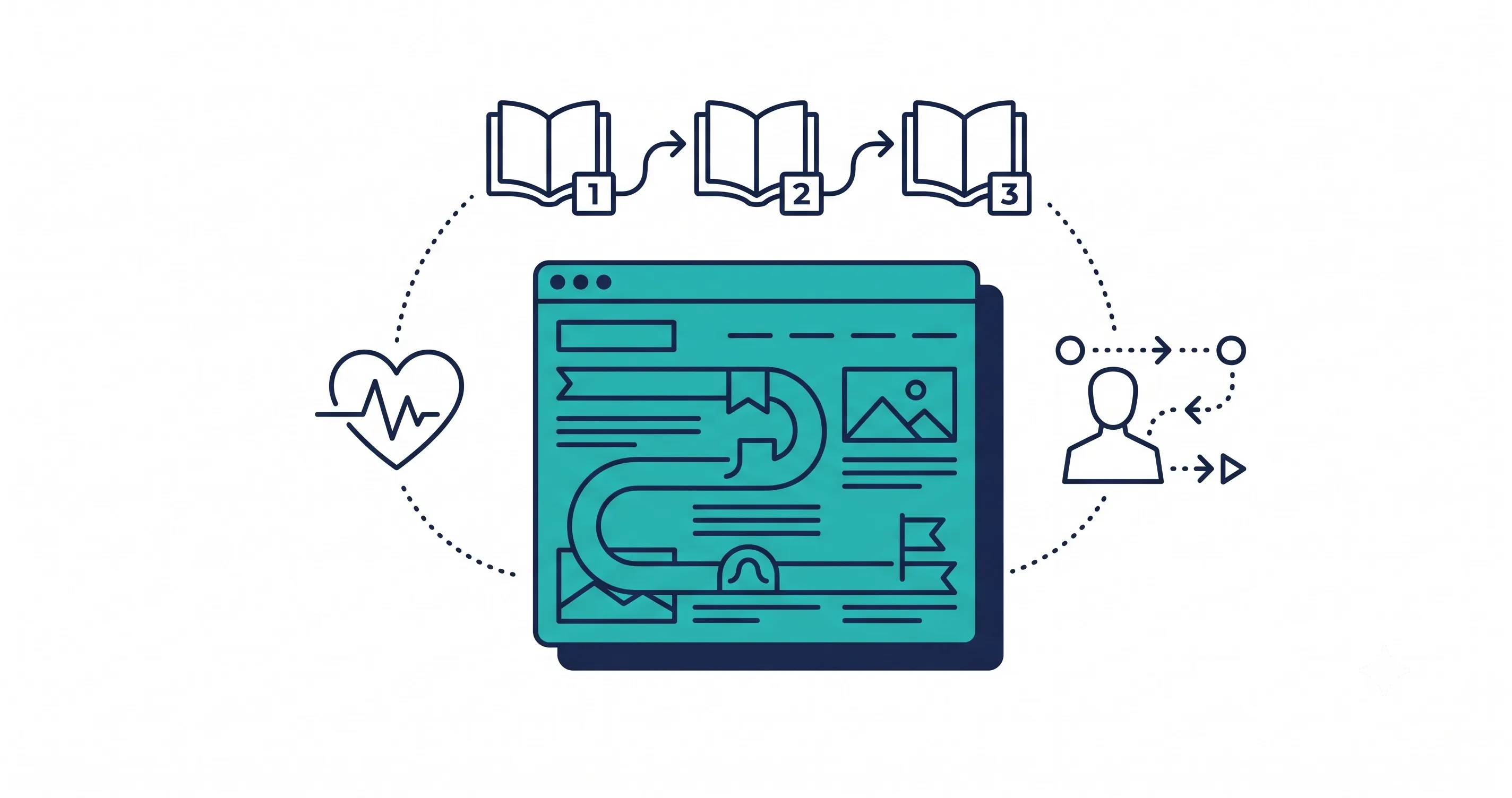
Effective web design maps directly to a traditional three-act narrative structure. Designers wireframe landing pages to guide users smoothly from the initial introduction to the final climax.
Hooking Visitors Above the Fold
The hero section acts as your opening hook. It must immediately establish the setting and capture user attention before they scroll. Strong headlines pair with compelling visuals to initiate the story instantly.
Building Conflict and Identifying Pain Points
As users scroll down, the website introduces the central conflict. Copywriters and designers highlight the specific challenges the target audience faces. This section validates user frustrations and builds necessary narrative tension.
Presenting Your Product as the Resolution
The final act delivers the solution to the established conflict. The design introduces your product or service as the ultimate resolution. Clear calls-to-action then prompt users to resolve their pain points and complete the journey.
Blending Visual Elements With Written Copy
Great stories require seamless collaboration between graphic design and copywriting. These elements synchronize to guide the user’s eye smoothly down the page. Visual cues reinforce the written message, creating a cohesive and persuasive brand narrative.
- Typography Choices: Setting the specific tone and voice of the brand before the user reads a single word.
- Color Psychology: Utilizing strategic palettes to trigger subconscious emotional reactions aligned with the narrative.
- Custom Imagery: Replacing generic stock photos with authentic photography that places the user inside the story.

Measuring the ROI of Narrative Driven Design
Investing in web storytelling generates tangible financial returns. Data proves that users engage significantly longer with narrative frameworks than with traditional, feature-heavy websites. Tracking these metrics reveals exactly how a compelling story impacts your bottom line.
Design Strategy | Average Dwell Time | Conversion Impact |
Feature Based Design | Low | Standard |
Narrative Driven Design | High | +20% Increase |
Interactive Storytelling | Exceptionally High | +35% Increase |
Utilizing Microinteractions to Guide the Plot
Small design details keep users engaged as they navigate down the page. Developers use interactive UI elements as smooth narrative transitions. These subtle cues pull the audience deeper into the digital experience.
Hover Effects and Interactive Discovery
Hover effects reward users for exploring the interface. Changing colors or revealing hidden text makes the user an active participant in the story.
Scroll Triggered Narrative Animations
Animations tied to user scrolling control the pacing of your digital story. Elements fade into view exactly when the user reaches the relevant plot point.
Custom Loading States as Transitions
Custom loading screens prevent users from dropping off between pages. Clever animations turn boring wait times into exciting narrative transitions.
Establishing Brand Authenticity Through Case Studies
Dedicating a portfolio section to client success stories provides ultimate social proof. Case studies validate your brand narrative by proving your solutions work in the real world. Structuring these pages as mini-stories builds deep trust with prospective buyers.
- Client Background: Introducing the protagonist of your case study and detailing their initial challenges.
- Strategic Execution: Mapping out the specific services your agency deployed to address the conflict.
- Measurable Results: Highlighting the happy ending through concrete data and revenue growth.
Overcoming Common Narrative Implementation Challenges
Designers sometimes ruin a good story by overwhelming the user. Packing a page with too much text easily distracts visitors from the main conversion goal. Overly complex animations often frustrate users and increase site load times. Successful implementation requires balancing engaging narratives with clear, frictionless usability.
Conclusion
Integrating stories into your digital design fundamentally changes how users view your company. A cohesive narrative turns a basic website into a high-converting sales asset. To transform your digital presence into a compelling customer journey, request a custom website audit from our team today.
Share this article