
Long tail keywords are an essential component of any effective SEO strategy. Unlike broad, high-competition keywords, long-tail keywords consist of three or more words and target specific search queries. These keywords often have lower search volumes but offer higher conversion rates due to their specificity. Understanding and leveraging long-tail keywords can significantly enhance your website’s visibility and attract more targeted traffic.
Understanding What are Long Tail Keywords
Long tail keywords are longer search phrases that describe clear and specific needs. These keywords often contain three or more words and match the exact intent behind a user’s search. They do not bring massive search volume, but the people who use them know what they want and search with purpose. This makes long tail keywords powerful for growing targeted traffic and building trust with users.
What Makes a Keyword “Long Tail”
A keyword becomes “long tail” when it uses more words to express a clear topic. For example, “running shoes” is short tail, while “best running shoes for flat feet” is long tail. The added detail helps search engines understand what the user wants and helps websites create content that answers that need. The phrase becomes longer, the meaning becomes clearer, and the competition becomes lower.
How Long Tail Keywords Show Clear Search Intent
Long tail keywords reveal exactly what the user wants to find. Someone searching for “how to learn digital marketing for beginners” already knows their goal. They want guidance, steps, or resources made for beginners. This clear intent helps websites create content that solves the user’s problem. When your content matches the user’s purpose, you earn trust and engagement because the visitor finds exactly what they came for.
Characteristics of Long Tail Keywords
Long tail keywords have clear traits that make them powerful for SEO. They bring fewer searches, yet the people who use them know exactly what they want. These keywords help websites attract the right visitors instead of broad audiences who may not be ready to take action.
Lower Search Volume but Higher Accuracy
Long tail keywords bring lower search volume because fewer people use detailed search terms. This low volume does not reduce their value. In fact, it increases accuracy. The users who search with long tail phrases look for exact answers, tools, or solutions. This makes each visitor more meaningful because they arrive with a clear purpose.
More Focused User Intent
Long tail keywords show the true intent behind a search. If someone searches for “best laptop for video editing beginners,” they share exactly what they want. They are not looking for all laptops. They want laptops that fit a beginner video editor. This direct intent helps you create content that matches their needs. Content always performs better when it satisfies the user’s goal, which is why many websites focus on optimizing content for SEO to match intent clearly.
Lower Competition Compared to Broad Keywords
Long tail keywords face less competition because not many websites target highly specific phrases. This helps new or growing websites rank faster. The search engine has fewer pages to compare, so your content stands out when it matches the query well. Lower competition also helps you gain stable rankings over time, even in busy industries.
Examples of Long Tail Keywords
Long tail keywords appear in many forms, from simple multi-word phrases to highly detailed search queries. These examples help you understand how users express clear intent and how you can match that intent through helpful content.
Simple Three Word and Four Word Keyword Examples
Long tail keywords often include descriptive words that help narrow the topic.
Examples include:
- best running shoes women
- how to start keto diet
- affordable wedding venues
- laptop for online classes
- digital marketing course free
These phrases show specific needs that guide the search engine directly toward accurate results.
Industry Based Long Tail Keyword Examples
Different industries use long tail keywords to answer detailed user searches.
Real estate:
- homes for rent near downtown
- best neighborhoods for families
Technology:
- best laptop for graphic design
- cloud hosting plans for small business
Health and wellness:
- low carb diet plan for beginners
- yoga workouts for back pain
Digital marketing:
- how to increase organic website traffic
- best tools for keyword research beginners
Industry based long tail keywords help attract users who are ready to learn, compare, or make a decision.
Table: Search Volume, Intent, and Ranking Difficulty
Below is a simple table that shows how long tail keywords behave in search.
Keyword Example | Search Volume | User Intent | Ranking Difficulty |
|---|---|---|---|
best laptop for students | Medium | Buying / comparison | Medium |
how to lose weight after pregnancy | Low | Advice / guidance | Low |
affordable web hosting for beginners | Medium | Buying / research | Medium low |
best exercises for knee pain | Medium | Health / solutions | Medium low |
small business accounting software free | Low | Research / tools | Low |
Benefits of Using Long Tail Keywords
Long tail keywords offer clear advantages for SEO because they match what users actually want. These keywords bring targeted visitors who search with purpose, which helps websites perform better in search results and reach people who are ready to take action.
Higher Chance of Ranking Faster
Long tail keywords have less competition, which helps websites rank faster. When fewer websites target the same phrase, your content stands out more easily. Search engines look for pages that match a query closely, so a specific long tail keyword gives your content a strong chance of appearing at the top.
Stronger Conversion Rates
Visitors who use long tail keywords often know exactly what they want. Their search is focused, and they look for clear solutions. This makes them more likely to sign up, buy something, or take the next step. These keywords bring quality traffic rather than random visits, which leads to better overall results.
Better Content Relevance for Users
Long tail keywords help you create content that answers a direct question. When your content fits the user’s need, they spend more time on your site and trust your information. Many websites improve relevance by learning how to optimize content for SEO, which helps them match user intent more accurately.
Ideal for Targeted Search Queries
These keywords work well when users search for specific features, locations, products, or problems. They help users find exactly what they want without searching through broad pages. This makes your content more helpful and keeps visitors engaged from the moment they arrive.
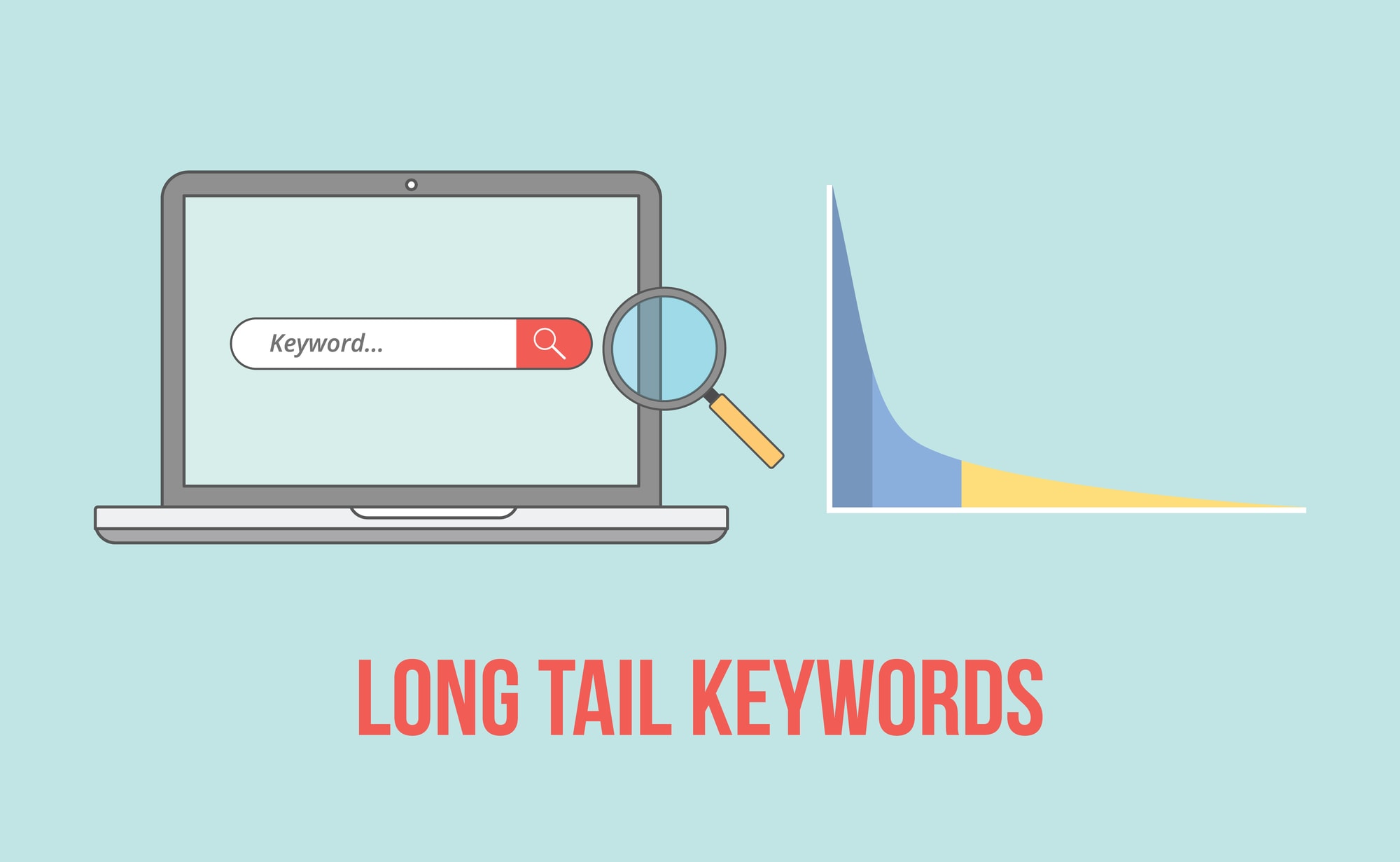
Long Tail Keywords vs Short Tail Keywords
Long tail and short tail keywords both play important roles in SEO. Each type supports users at different stages of their search journey. When you understand how they differ, you can create content that reaches broad audiences and targeted visitors at the same time.
Key Differences Explained
Short tail keywords focus on wide topics, while long tail keywords focus on specific needs. Short tail searches bring more traffic but show less intent. Long tail searches bring fewer users but show strong purpose. One reaches many people, the other reaches the right people.
When to Use Long Tail Keywords
Use long tail keywords when you want targeted visitors who search with clear goals. They help new websites grow faster, support niche topics, and match users who look for detailed guidance. They also help your content stand out in competitive markets.
When Short Tail Keywords Work Better
Short tail keywords work well for brand awareness and early stage traffic. They help people find your website when they search broad topics. They bring more impressions, but they do not always bring visitors with a strong purpose. These keywords fit well into top of funnel content.
Comparison Table for SEO Strategy
Feature | Long Tail Keywords | Short Tail Keywords |
|---|---|---|
Word length | Three words or more | One or two words |
Search volume | Low to medium | High |
Competition | Lower | Higher |
User intent | Clear and specific | Broad |
Best for | Targeted traffic and conversions | Awareness and discovery |
Ranking difficulty | Easier | Harder |
How Long Tail Keywords Support SEO Growth
Long tail keywords help websites grow because they target users who know exactly what they want. These visitors search with purpose, and search engines reward pages that match their intent. When you use long tail keywords correctly, your website gains visibility, trust, and stronger engagement.
Helping New Websites Gain Early Rankings
New websites often struggle to rank for broad keywords because large brands already hold those positions. Long tail keywords offer a fair chance to appear on search results since fewer websites compete for them. This helps new websites build early traction and grow their presence step by step.
Improving Topical Authority
Long tail keywords help you create content around detailed user questions. When you cover many related topics, search engines see your website as a strong source within your niche. Over time, this improves your topical authority and helps you rank for broader keywords as well.
Matching Search Intent for Better Engagement
Users who search long tail keywords want answers that fit their situation. When your content matches their intention, they stay longer and interact more with your page. Strong engagement signals help your rankings improve because search engines see your content as useful and relevant.

How to Find Long Tail Keywords
Finding long tail keywords becomes easier when you know where to look. These keywords appear in natural conversations, user questions, and real search behavior. When you explore these sources, you discover phrases that bring meaningful traffic.
Keyword Tools and Topic Research
Tools like Google Keyword Planner, Ahrefs, and SEMrush help you find long tail phrases with clear intent. These tools show search volume, difficulty, and related terms. When you study this data, you find keywords that match your audience easily.
Search Suggestions and People Also Ask
Search suggestions appear every time you type something into Google. These suggestions help you understand real user behavior. The People Also Ask section shows questions users ask often, which gives you long tail ideas built around real concerns.
Using Analytics to Discover User Queries
Analytics tools show the exact phrases users search before reaching your website. These insights help you create more focused content. They also reveal gaps you can fill to attract new visitors who search more specific terms.
How to Use Long Tail Keywords in Content
Using long tail keywords the right way helps your content stay natural, readable, and search friendly. The goal is to match the user’s intent without forcing the keyword into the text.
Placing Keywords Naturally
Place your long tail keywords in headings, introductions, and areas where the topic fits naturally. This helps search engines understand your content without harming readability. Natural placement keeps your writing smooth and engaging.
Creating Content That Matches Intent
Write content that solves the user’s problem directly. If someone searches for a specific issue, your content should deliver a clear and simple answer. Many websites refine this step when they learn how to optimize content for SEO, which helps them match user intent with stronger accuracy.
Using Variations to Cover More Searches
Use small variations of your long tail keyword throughout the content. These variations help you rank for related queries without repeating the same phrase. This creates a smooth reading experience while helping search engines understand your topic fully.
Conclusion
Mastering long tail keywords is a powerful strategy to improve your website’s SEO performance. By focusing on specific, less competitive keywords, you can attract targeted traffic, achieve higher rankings, and increase conversion rates. Implement the strategies outlined in this guide to harness the full potential of long-tail keywords and elevate your SEO game.
Read More About: What is Semrush? A Complete Guide
Share this article