Staring at a blank screen is the hardest part of writing a blog post. If you just start typing without a plan, you will likely end up with a messy, rambling draft that takes hours to edit and never ranks on Google.
The secret to writing fast, highly-ranked content is not about typing faster. It is about building a solid plan first. Let’s look at how to create an outline that makes writing effortless and keeps the search engines happy.
What is an SEO-Optimized Blog Outline?
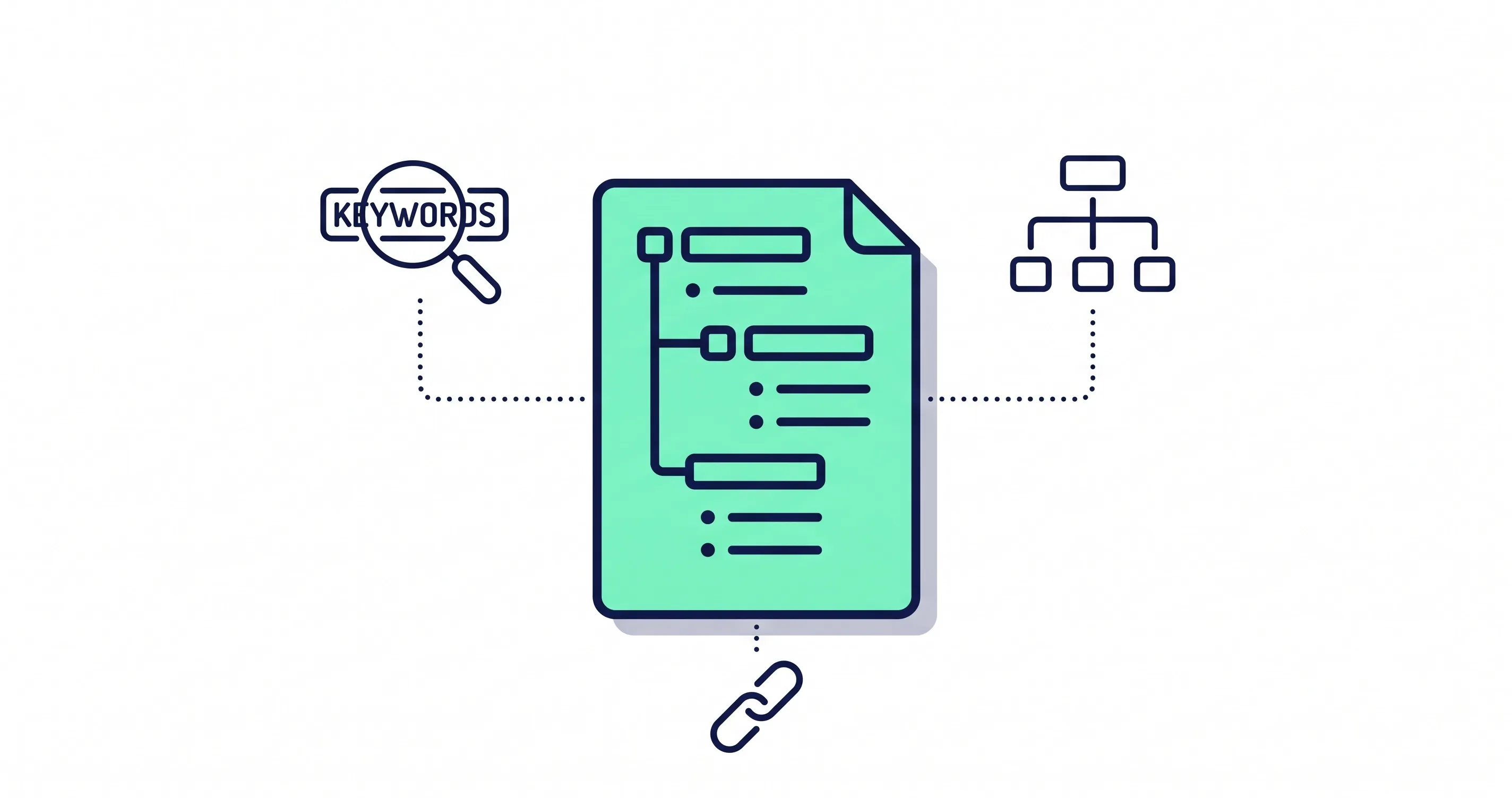
An SEO blog outline is the structural blueprint of your article. It acts as a roadmap for your entire writing process.
However, it goes far beyond just jotting down a few bullet points to organize your thoughts. A fully optimized outline strategically maps out your primary keywords, secondary phrases, user search intent, and heading structure. By doing this, you guarantee your final post will please both the human reading it and the Google bots crawling it.
Writing With vs Without an SEO Outline
Feature / Metric | Writing Without an Outline | Writing With an SEO Outline |
Writing Speed | Slow, prone to writer’s block and rambling. | Fast, the writer just fills in the structured blanks. |
Keyword Placement | Forced, unnatural, or frequently missed. | Naturally integrated into H2s, H3s, and body text. |
Search Intent | Often drifts off-topic, frustrating readers. | Laser-focused on answering the user’s exact query. |
Content Gaps | High risk of missing critical subtopics. | Comprehensive, built by analyzing top competitors. |
Ranking Potential | Low, lacks structural hierarchy for Google bots. | High, optimized perfectly for search engine crawlers. |
Step 1: Nailing Search Intent and Keyword Research
A great outline starts long before you even open a blank Google Doc. It begins with taking the time to understand exactly what the user actually wants to know.
Identifying Primary and Secondary Keywords
Your first step is finding the exact words people are typing into Google. Use SEO tools like Ahrefs or Semrush to find your primary target keyword. Then, gather a list of related, long-tail secondary keywords. These supporting phrases will naturally fit into your subheadings and body text later.
Matching Your Angle to User Intent
Search intent is the “why” behind a user’s search. There are four main types: Informational, Navigational, Commercial, and Transactional.
Your outline must match this intent perfectly. For example, if someone searches “how to fix a leaky pipe,” they want a step-by-step informational guide, not a listicle of the top 10 plumbers in their area.

Step 2: Analyzing the Top-Ranking Competitors
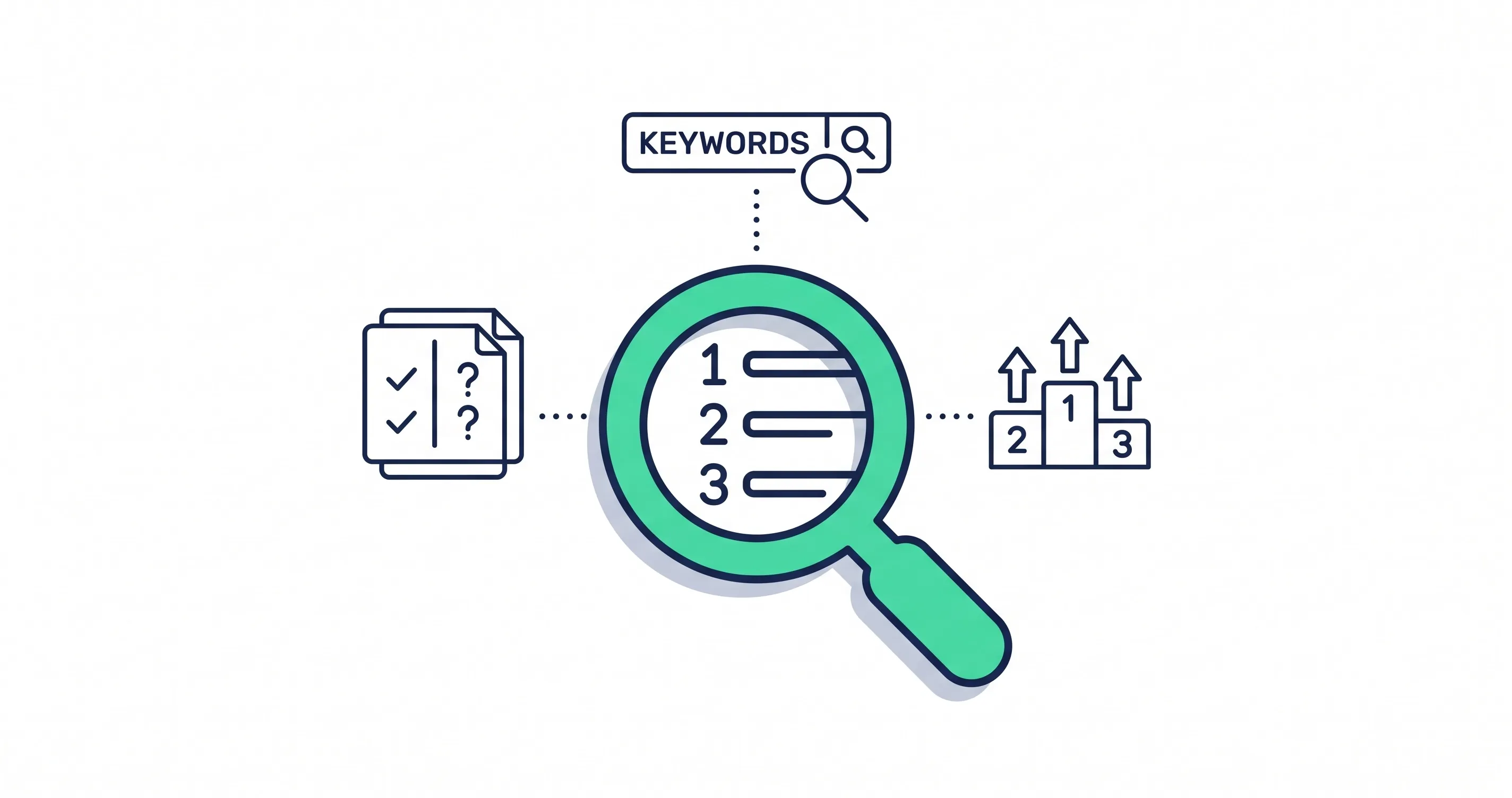
Do not guess what Google wants to see. The answers are already sitting on page one. You just need to reverse-engineer the success of the articles currently ranking for your target keyword.
Reviewing the Top 3 Google Results
Open the top three ranking articles in separate tabs. Scan through them and extract their exact H2 and H3 structures. This quickly shows you exactly what topics Google currently rewards and considers most relevant to the searcher.
Finding Crucial Content Gaps
While you want to see what competitors did right, you really want to find what they missed. Did they fail to explain a specific step? Did they skip a frequently asked question? Find these missing pieces, known as “content gaps.”
Adding these gaps as vital headers in your outline guarantees your post will be more comprehensive than the current top results.
Step 3: Structuring Your H2 and H3 Hierarchy
Now it is time to build the actual framework of your article. This step is a critical technical SEO practice that ensures your post is logically structured for web crawlers and easy to digest for human skimmers.
Establishing a Logical Flow
Your headers should act as a table of contents. Arrange your H2s and H3s in a logical, easy-to-follow order. If you are writing a guide, use chronological steps. If you are writing an informational post, start with the most important definitions first, then move to the smaller details.
Naturally Inserting Keywords into Headers
Google pays close attention to the words inside your H2 and H3 tags. Take the primary and secondary keywords you found in Step 1 and weave them into your subheadings. The key is to keep it natural. Do not force keywords where they do not belong, or you will end up sounding like a spammy robot.

Essential Elements Every Outline Must Include
A solid outline is more than just a list of subheadings. To make it a true blueprint for success, make sure you include these crucial pieces before you start writing:
- Working Title (H1): Draft an engaging, click-worthy title that naturally includes your primary keyword.
- Target Word Count: Set an estimated length based on the average word count of the top three competing articles.
- Internal Link Opportunities: Leave notes on exactly where you plan to link to your other relevant blog posts or service pages.
- External Link Suggestions: Add placeholders for high-authority, trustworthy outbound links, such as industry statistics or official studies.
- Call to Action (CTA): End your outline with a clear directive telling the reader what to do next, like “Request a Quote” or “Subscribe to our Newsletter.”
Conclusion
Creating an outline might feel like an extra step, but it is actually the ultimate writing shortcut. Investing just 20 minutes into building an SEO-optimized outline will save you hours of frustrating writing time. More importantly, it dramatically increases your article’s chances of ranking on page one of Google.
By mapping out your keywords, headers, and search intent before you start typing, you guarantee a structured, high-quality post every single time.
Share this article