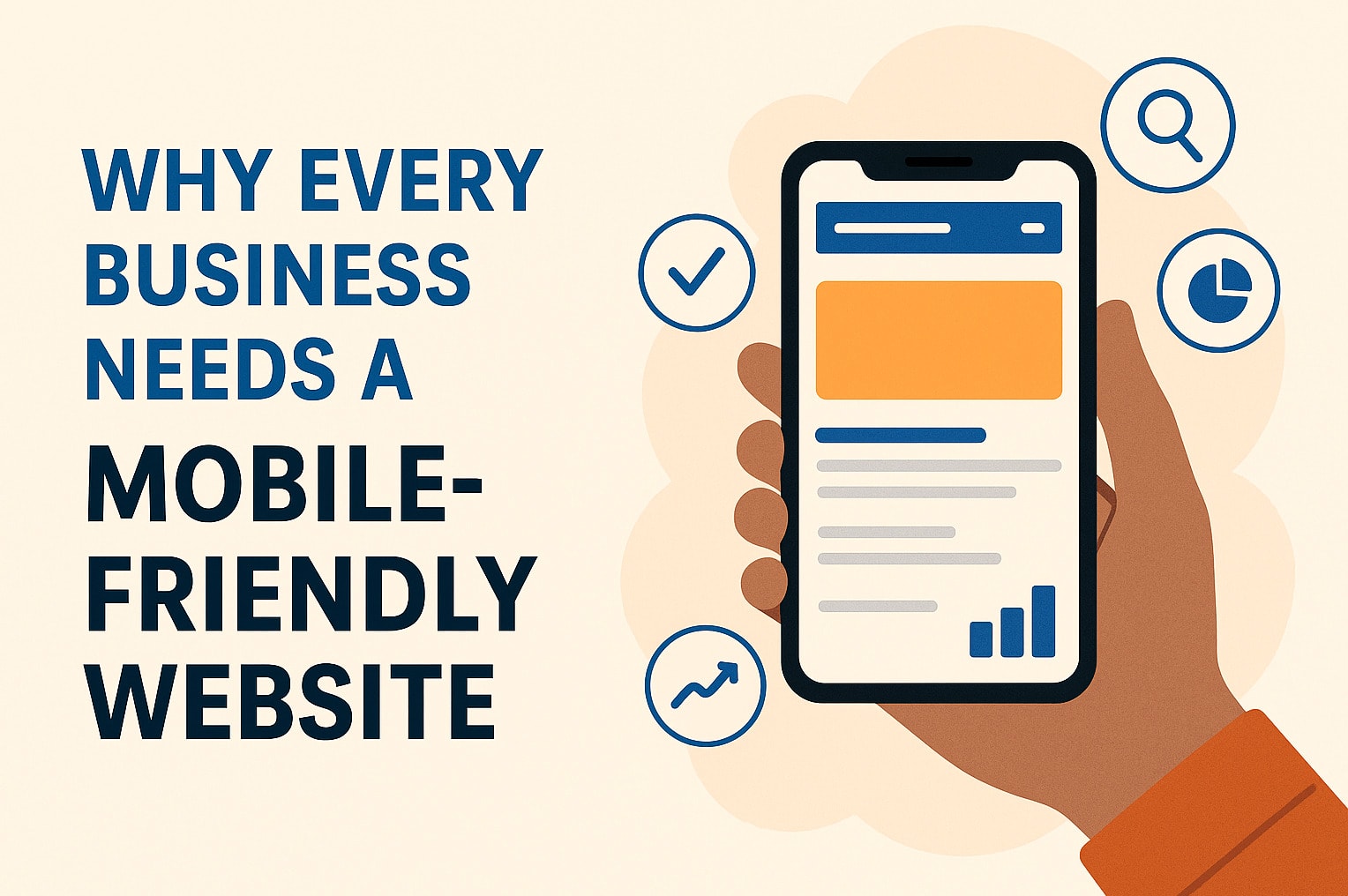
With over 60% of global web traffic coming from smartphones and tablets, businesses that ignore mobile users risk losing visibility, leads, and revenue. Whether you run a small local store or manage a growing enterprise, your audience expects a seamless mobile experience. A mobile-friendly website builds trust, improves conversions, and helps you stand out from competitors.
1. People Use Their Phones All the Time
Think about your own habits, how often do you browse, shop, or check reviews on your phone? Today’s consumers rely heavily on their mobile devices. According to Statista, mobile devices account for more than half of all web visits, and that number continues to grow every year.
If your website doesn’t adapt properly to smaller screens, loads slowly, or forces users to zoom in to read text, they’ll leave often within seconds.
A responsive website design ensures that your pages automatically adjust to any screen size, offering an effortless browsing experience. Lower bounce rates and higher engagement from users who find your site easy to navigate on the go.
2. Better User Experience Builds Trust
User experience (UX) is the foundation of any successful website. A mobile-friendly website provides simple navigation, clear text, and touch-friendly buttons. Everything is optimized for quick interaction.
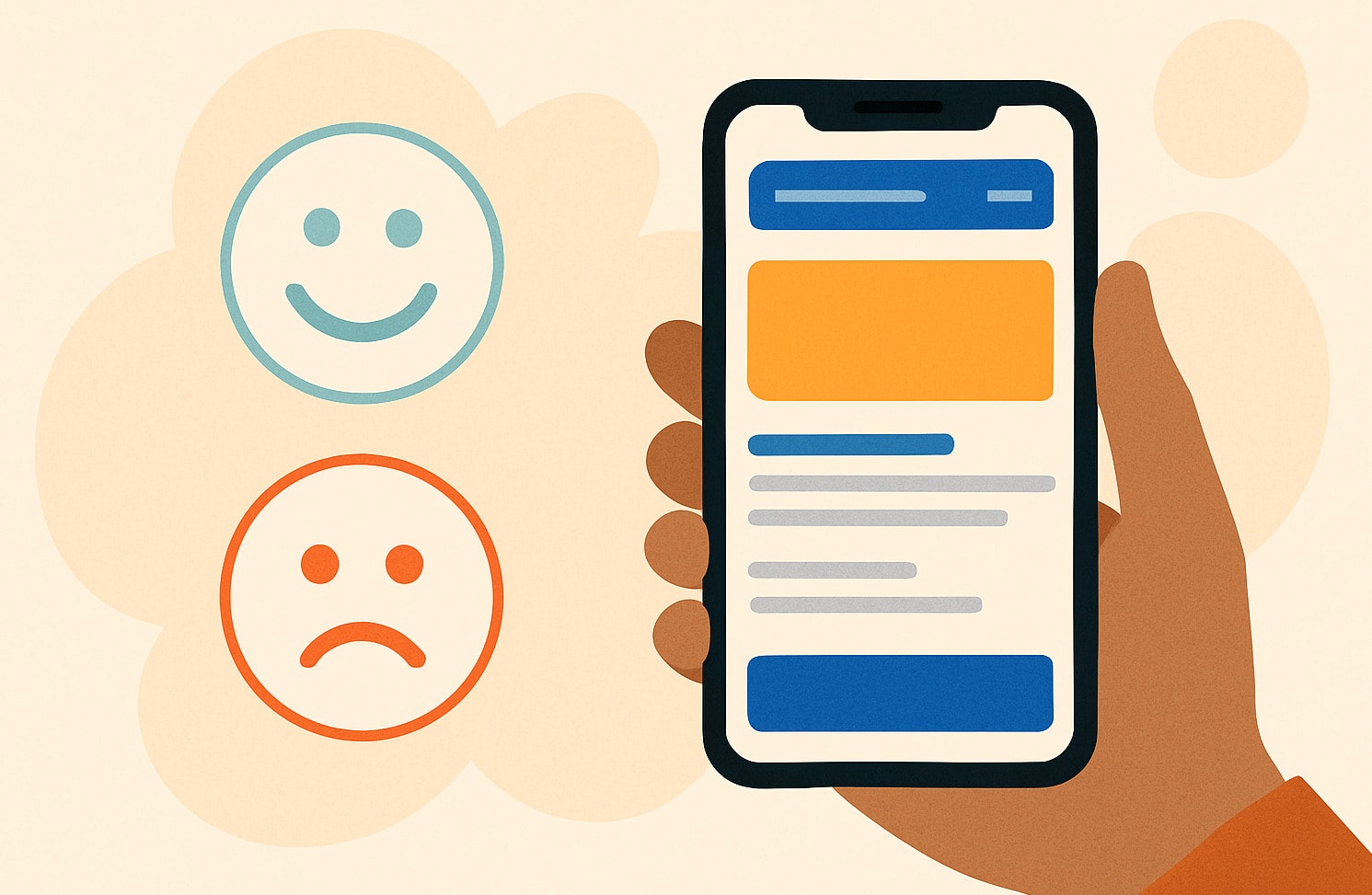
When users enjoy browsing your site, they’re more likely to explore your products or services and eventually convert. Conversely, a poor mobile experience frustrates visitors and can permanently damage your brand image.
“A great website isn’t about looking pretty, it’s about working seamlessly for every user, on every device.”
Investing in a responsive, UX-driven design ensures that visitors find what they need instantly, whether they’re booking a service, checking your menu, or reading your blog.
3. Boosts Your SEO Rankings
Search engines now prioritize mobile-friendly websites in their rankings. Since Google’s Mobile-First Indexing update, it evaluates your mobile version first when determining search results.
If your site isn’t optimized for mobile, it may fall behind competitors even if your desktop version looks perfect.
Mobile optimization improves several ranking factors:
- Faster load times (a key SEO signal)
- Lower bounce rates
- Better usability scores
- Enhanced local SEO visibility
When users in San Diego search for local services such as “best web design company near me” a mobile-optimized site is more likely to appear higher on Google Maps and organic listings.
4. Improves Your Brand Image
Your website is often the first impression your potential customers have of your brand. A well-structured mobile design signals professionalism, innovation, and care for user experience.
If visitors struggle to read your content or tap small buttons, they might assume your business is outdated. But a sleek, responsive site shows you value quality and attention to detail two traits that help build trust online.
A mobile-friendly design also increases brand consistency, ensuring your visuals, typography, and colors look perfect across every screen size.
5. Increases Sales and Leads
A mobile-optimized website doesn’t just attract visitors, it converts them. Clear call-to-action (CTA) buttons, simplified forms, and fast-loading product pages all encourage users to take the next step.
Whether it’s booking an appointment, making a purchase, or requesting a quote, mobile users want to act fast. A smooth, frictionless journey helps turn casual visitors into paying customers.
According to Google, 61% of users are unlikely to return to a site that’s not mobile-friendly, while 67% are more likely to buy from a mobile-friendly business.

6. It’s Cost-Effective and Easy to Manage
A modern responsive website adapts automatically to desktops, tablets, and smartphones. This means you only need one website not separate versions for different devices.
That saves time and reduces maintenance costs. Updates are made once and apply across all platforms, ensuring consistent content and performance.
It’s a smart investment for businesses looking to stay efficient while delivering the best possible experience to every user.
7. Stay Ahead of Your Competition
In competitive markets like San Diego, having a mobile-friendly website can be your edge. Many businesses still underestimate mobile design, losing leads to faster, better-optimized competitors.
A mobile-first strategy demonstrates professionalism and reliability qualities that make customers choose you over others.
Don’t wait for visitors to complain or bounce. Stay ahead by prioritizing speed, usability, and accessibility today.
Final Thoughts
No matter your industry, a mobile-friendly website is essential to your success. It improves user experience, supports your SEO strategy, and helps your business appear trustworthy and modern.
If your site isn’t mobile-ready yet, now is the time to act. Partner with 1REALTOUR to build a responsive, results-driven website that performs seamlessly across all devices and turns visitors into loyal customers.
Ready to upgrade your website?Contact us today to get started with a custom mobile-friendly design tailored to your business goals.
Share this article