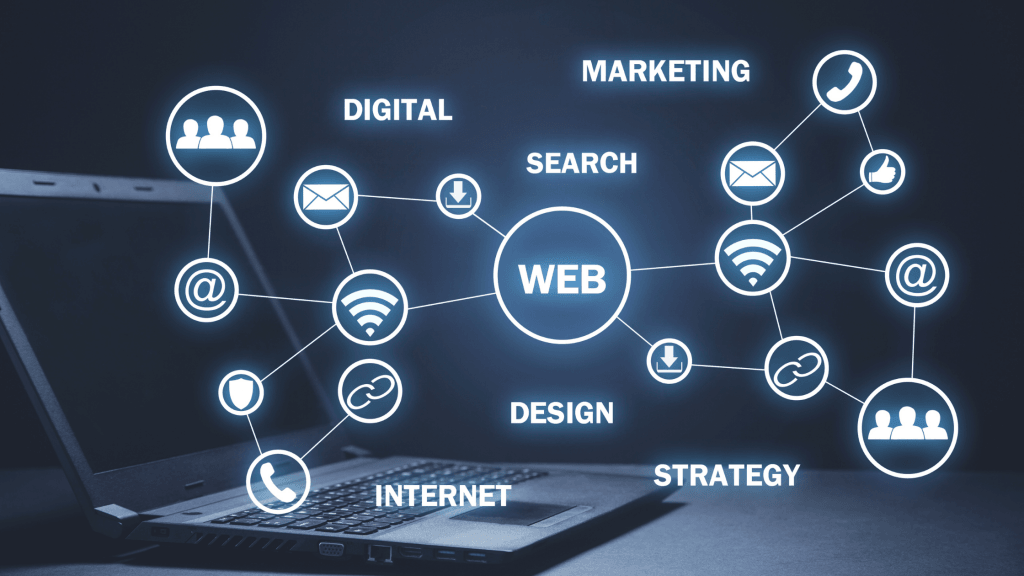
Web design plays a major role in how people see and trust your business online. Your website often creates the first impression, and that moment shapes how users judge your brand. A strong design helps visitors feel confident, stay longer, and take action. When your website looks modern, loads fast, and stays easy to use, your business gains more credibility and more conversions. This is why web design matters for every company, no matter its size.
Understand Web Design for Your Business
Web design is more than how your website looks. It guides how users move across your pages, how they read your content, and how they interact with your business. A well-designed website turns visitors into leads because it supports trust and builds a smooth user experience from the moment they land on your site.
How Your Website Shapes First Impressions
Visitors judge your business within seconds. A clean and modern layout helps them feel comfortable and interested. Clear visuals, easy navigation, and simple structure help users trust your brand. When your design feels outdated or messy, visitors leave quickly. A strong first impression makes users stay longer and explore more pages.
Why Good Design Builds Trust
People trust businesses that look professional online. Good design shows that you care about quality and pay attention to details. Consistent colors, readable fonts, and clear messaging help users feel safe. When your website is organized and easy to use, people believe they can rely on your services.
How Design Impacts User Behavior
Design guides how users move through your website. Buttons, spacing, visuals, and layout shape the actions visitors take. A clean design helps users find answers faster, which increases conversions. When the design is confusing, visitors leave without taking any action. Strong web design helps your business reach better results with every visitor.
How Web Design Affects User Experience
Strong web design shapes how users interact with your business online. When your pages look clean, load fast, and guide visitors easily, you create a smooth experience that keeps people on your site longer. A website that feels simple and intuitive always performs better because users find what they need without effort.
Easy Navigation and Clear Layouts
Clear navigation helps visitors reach the right page in seconds. When menus stay simple and layouts remain organized, people feel comfortable exploring your site. A good layout reduces confusion and builds confidence, which leads to longer visits and more conversions. Users appreciate a website that feels natural and easy to follow.
Mobile-Friendly Pages
Most users browse from their phones, so mobile design must feel smooth and responsive. Pages that adjust to any screen size improve readability, help users click buttons easily, and support a positive experience. Mobile-friendly design also shows professionalism because it proves your business cares about accessibility for every visitor.
Fast Loading Speed and Smooth Performance
Slow websites push users away quickly. When your pages load fast, people stay longer and explore more. Smooth scrolling, optimized images, and fewer delays create a better experience. Good performance keeps customers interested and improves how they feel about your business from the first interaction.
Why Web Design Matters for SEO
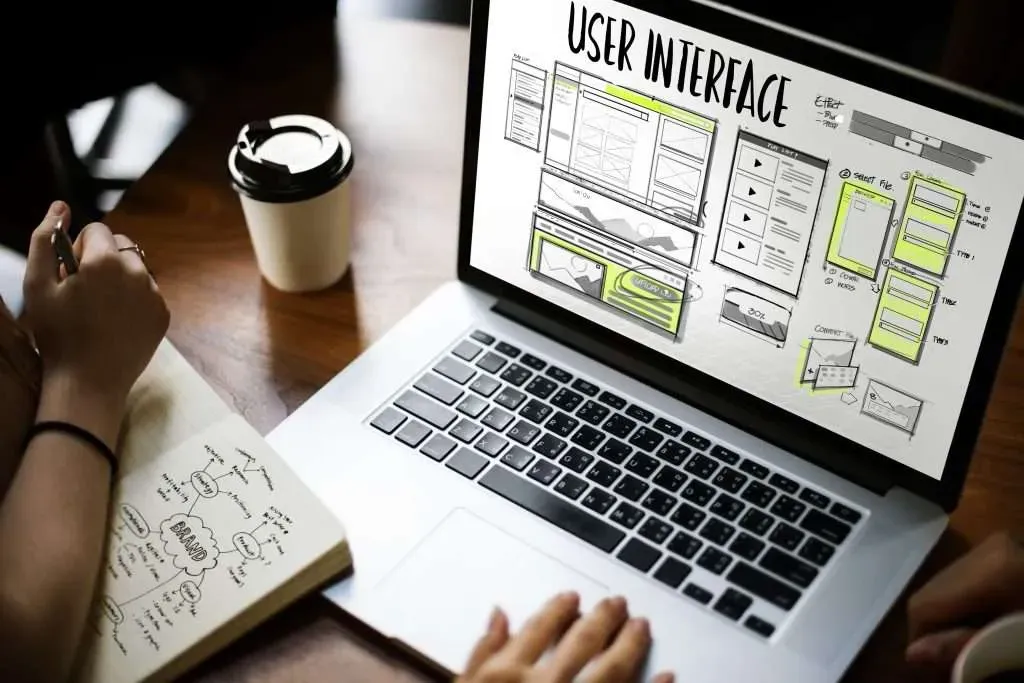
Web design shapes how search engines read your pages and how users interact with them. A strong structure improves clarity, performance, and engagement, which all support better rankings. When design and SEO work together, your business gains stronger visibility and more qualified traffic.
How Design Helps Search Engines Understand Your Site
- Clean and simple code helps search engines crawl your pages faster.
- A clear layout with proper headings shows how your content is organized.
- Easy navigation helps search engines discover important pages without confusion.
- A simple site structure makes indexing smoother and improves your visibility for relevant searches.
User Engagement Signals That Improve Rankings
- Engaging design keeps users on your site longer, which supports stronger rankings.
- Clear layouts help people find information faster, leading to more page views.
- Smooth experiences reduce bounce rates and increase user satisfaction.
- Better engagement tells search engines your website is helpful and worth ranking higher.
Technical Structure That Supports SEO
- Fast loading pages improve performance and boost overall search visibility.
- Mobile-friendly layouts ensure your site looks clean on every device.
- Accessible menus and internal structure help search engines move through your site easily.
- Strong technical design builds trust and supports long-term ranking growth.
How Strong Web Design Drives Business Growth
Strong web design creates a smooth and trustworthy experience for your visitors. When your site looks modern and works well on every device, users feel confident enough to stay longer and take action. Good design supports your marketing, improves conversions, and helps your business grow consistently.
Higher Conversions and Lead Generation
A well-designed website guides users toward taking action. Clear layouts, easy forms, and strong CTAs help people decide faster.
- Simple paths encourage more sign-ups and calls
- Fewer distractions help visitors focus on your offer
- Clean layouts build confidence and reduce hesitation
Better Brand Image and Visibility
Your website is often the first place people interact with your brand. A modern design shows professionalism and helps users remember you. When your visual identity stays consistent, your brand becomes easier to trust and recommend.
Improved Customer Trust and Loyalty
A clean layout, strong visuals, and secure browsing help users feel safe on your site. This trust encourages visitors to return, explore more, and rely on your business for future needs.

Key Elements of Effective Web Design
Effective design creates a website that feels smooth, clear, and helpful. These elements work together to support user experience and business goals.
Clear Visual Hierarchy
A visual hierarchy guides users to the most important parts of your page.
- Large headings highlight key messages
- Balanced spacing improves readability
- Focus points help users understand content quickly
Consistent Branding and Colors
Your color palette, fonts, and style should support your brand identity. When everything feels consistent, your website looks professional and helps users recognize your business across all platforms.
Strong Calls-to-Action (CTAs)
CTAs guide users toward the next step. They must be clear, simple, and easy to find. A strong CTA improves conversions because users always know where to click or what to do next.
High-Quality Content and Media
Good content explains your message clearly. High-quality images and videos make your website more engaging. Both help users understand your business faster and trust your brand more.
Common Web Design Mistakes Businesses Should Avoid
Some mistakes make your website harder to use and can reduce conversions. Avoid these problems to keep your site fast and effective.
Cluttered Layouts
Too many elements crowd the page and confuse users. Simple designs help visitors focus on your message and reduce frustration.
Slow or Non-Responsive Pages
Pages that load slowly push users away. Websites that fail to adapt to mobile screens also lose visitors. Fast, responsive pages keep users engaged.
Poor Navigation or Confusing Structure
If users cannot find what they need, they leave quickly. Clear menus and organized pages help people explore your site without stress.
Conclusion
Strong web design shapes how people see and trust your business. When your website stays fast, clean, and easy to use, visitors feel confident and more willing to explore your services. A good design supports your SEO efforts, boosts engagement, and helps customers reach the information they need without stress. When you invest in effective design, you build a better online experience that supports long-term growth and makes your brand stand out in your market.
Read More About: 10 best website layout ideas
Share this article