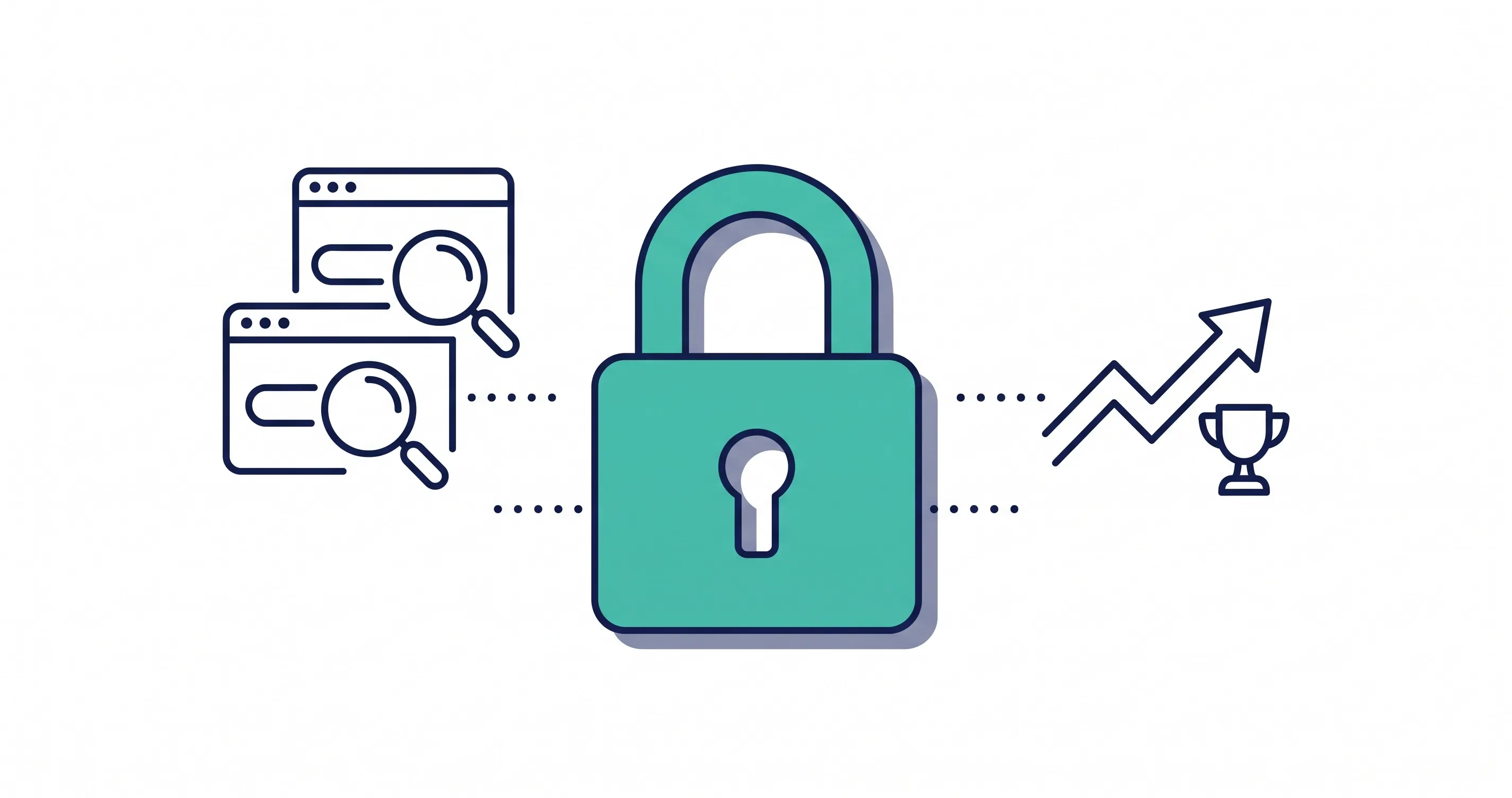
In the highly competitive world of digital marketing, securing your website is no longer just a technical checkbox, it is a fundamental requirement for search engine visibility. If your real estate or lead-generation website is still operating on an outdated, unencrypted connection, you are actively driving away potential clients and sacrificing your hard-earned search rankings.
In this guide, we will break down what SSL is, how it directly influences Google’s algorithms, and why migrating to a secure connection is critical for your bottom line.
What Exactly is an SSL Certificate?
SSL (Secure Sockets Layer)—and its modern successor, TLS—is a digital security protocol that encrypts the data transmitted between a user’s web browser and your website’s server. When a user submits sensitive information, such as their phone number on a contact form or payment details, SSL scrambles that data into an unreadable format. This ensures that malicious actors and hackers cannot intercept or steal the information during transmission.
When an SSL certificate is successfully installed on your server, your website’s web address transforms from the insecure HTTP protocol to the secure HTTPS. Modern web browsers recognize this encrypted connection and display a padlock icon next to your domain in the URL bar, signaling to users that your site is safe to interact with.
How SSL Directly Impacts Your SEO Rankings
Security is a top priority for search engines. Google has officially confirmed that they use HTTPS as a ranking signal in their search algorithms. While it initially rolled out as a lightweight signal, its importance has only grown over the years as Google pushes for an “HTTPS everywhere” internet. You can read Google’s official stance on HTTPS as a ranking signal directly on their Search Central blog.
If you are competing against another local business for the top spot in the search results, and all other ranking factors (like content quality and page speed) are equal, the website with the active SSL certificate will win the higher position. Simply put, Google actively rewards websites that take user privacy seriously and demotes those that do not.
The Hidden Cost of HTTP: Indirect SEO Damage
Beyond the direct algorithm penalty, lacking an SSL certificate inflicts severe, indirect damage to your SEO by ruining the user experience.
The “Not Secure” Warning and Brand Trust
Modern browsers like Google Chrome and Apple Safari have zero tolerance for unencrypted websites. If a visitor lands on an HTTP site, the browser forcefully displays a stark “Not Secure” warning directly in the address bar.
For a prospective client looking to buy a home or hire a professional service, this warning is an immediate red flag. It instantly destroys brand trust and makes the user question the legitimacy of your business.
How Spiked Bounce Rates Tank Your Rankings
When users see that “Not Secure” warning, their natural reaction is to hit the back button and leave your site immediately. This behavior leads to an artificially high bounce rate and an incredibly low dwell time. Search engines closely monitor these user metrics.
If Google sees that users are consistently bouncing off your page within seconds, it assumes your site is low-quality or unsafe, which negatively impacts the dwell time in Google rankings and causes your organic visibility to plummet.
Why Real Estate & Lead-Gen Websites Need SSL Most
While e-commerce sites obviously need SSL to process credit cards, real estate and lead-generation websites are just as vulnerable. As a property professional, your entire digital strategy revolves around capturing high-value data.
When prospective buyers and sellers fill out your property inquiry forms, they are handing over their full names, personal phone numbers, home addresses, and sometimes sensitive financial timelines. Processing this data without encryption is a massive liability.
Implementing the best practices for web hosting security, starting with a robust SSL certificate, proves to your clients that their personal information is safe in your hands, which drastically increases your form conversion rates.
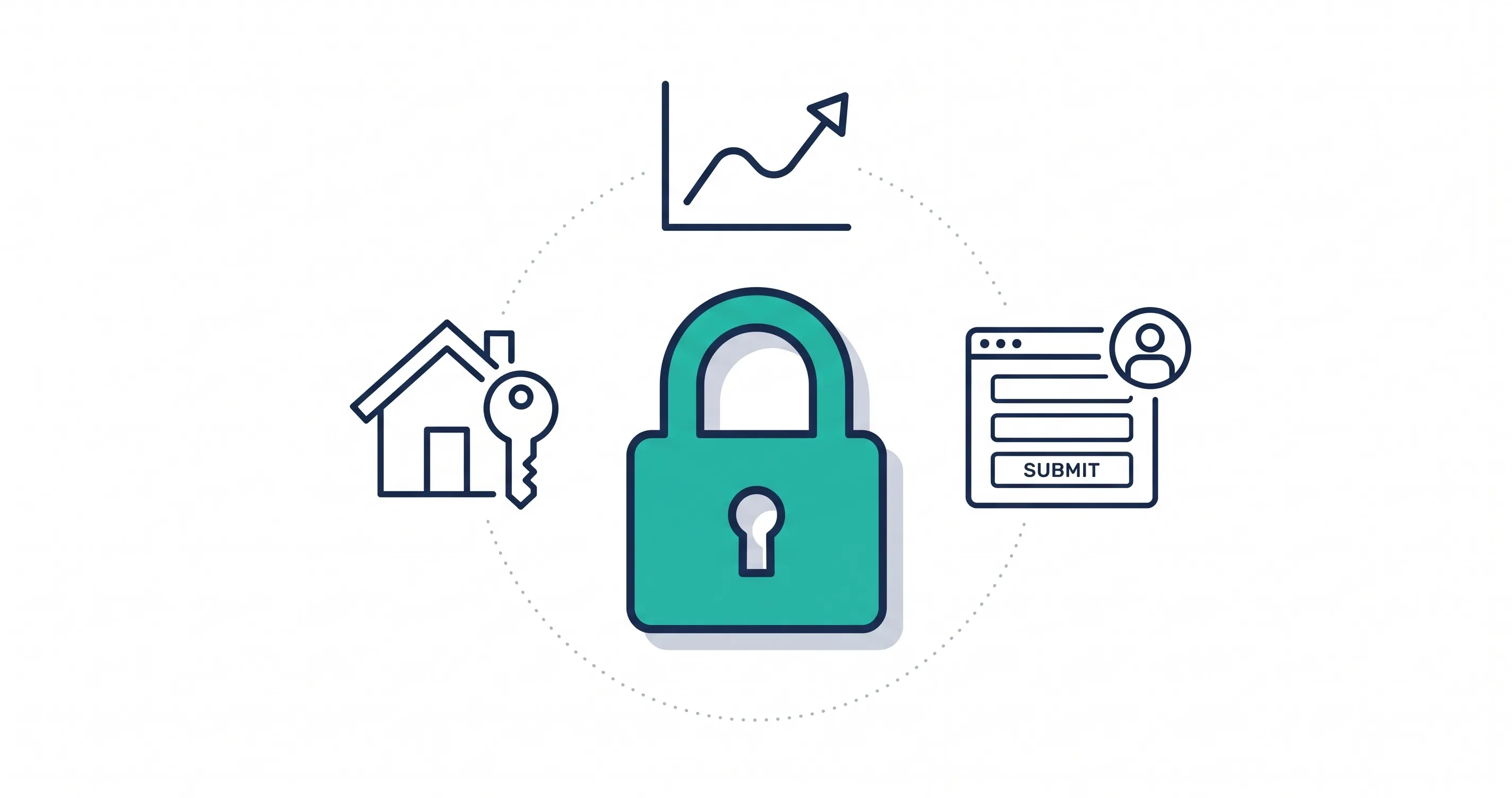
How to Safely Migrate to HTTPS Without Losing Traffic
Upgrading to SSL is essential, but the technical migration process must be handled carefully. If search engines cannot properly crawl your newly secured pages, your traffic can crash overnight. Here is how to execute a flawless migration:
Step 1: Implement Proper 301 Redirects
When you install an SSL certificate, your site essentially creates duplicate versions of every page (the HTTP version and the new HTTPS version). You must set up permanent 301 redirects to force all HTTP traffic to the new HTTPS URLs. This ensures users never land on an insecure page and tells Google to pass all your existing SEO authority to the secure links.
Step 2: Update XML Sitemaps and Canonical Tags
Once the redirects are active, you must update your website’s XML sitemap to reflect the new HTTPS addresses and submit it via Google Search Console. Additionally, ensure that your canonical tags point exclusively to the HTTPS versions of your pages to prevent Google from indexing duplicate content.
Step 3: Fix “Mixed Content” Errors
A mixed content error occurs when your overall site loads over HTTPS, but certain assets, like older images, videos, or scripts, are still hardcoded to load via HTTP. Browsers will still flag your site as “Not Secure” if these elements are present. If resolving database find-and-replace tasks sounds intimidating, partnering with an experienced San Diego SEO company can ensure the technical transition is handled flawlessly without breaking your site.
Conclusion
An SSL certificate is not optional, it is the baseline requirement for operating a trustworthy and visible website today. It protects your clients’ data, builds immediate brand trust, and satisfies Google’s strict security algorithms.
If you want to eliminate the headache of technical migrations and SSL renewals entirely, upgrading your infrastructure to a premium managed hosting environment is the smartest move. Managed providers automatically deploy, configure, and renew your SSL certificates, ensuring your site remains fast, secure, and fully optimized for SEO year-round.
Share this article