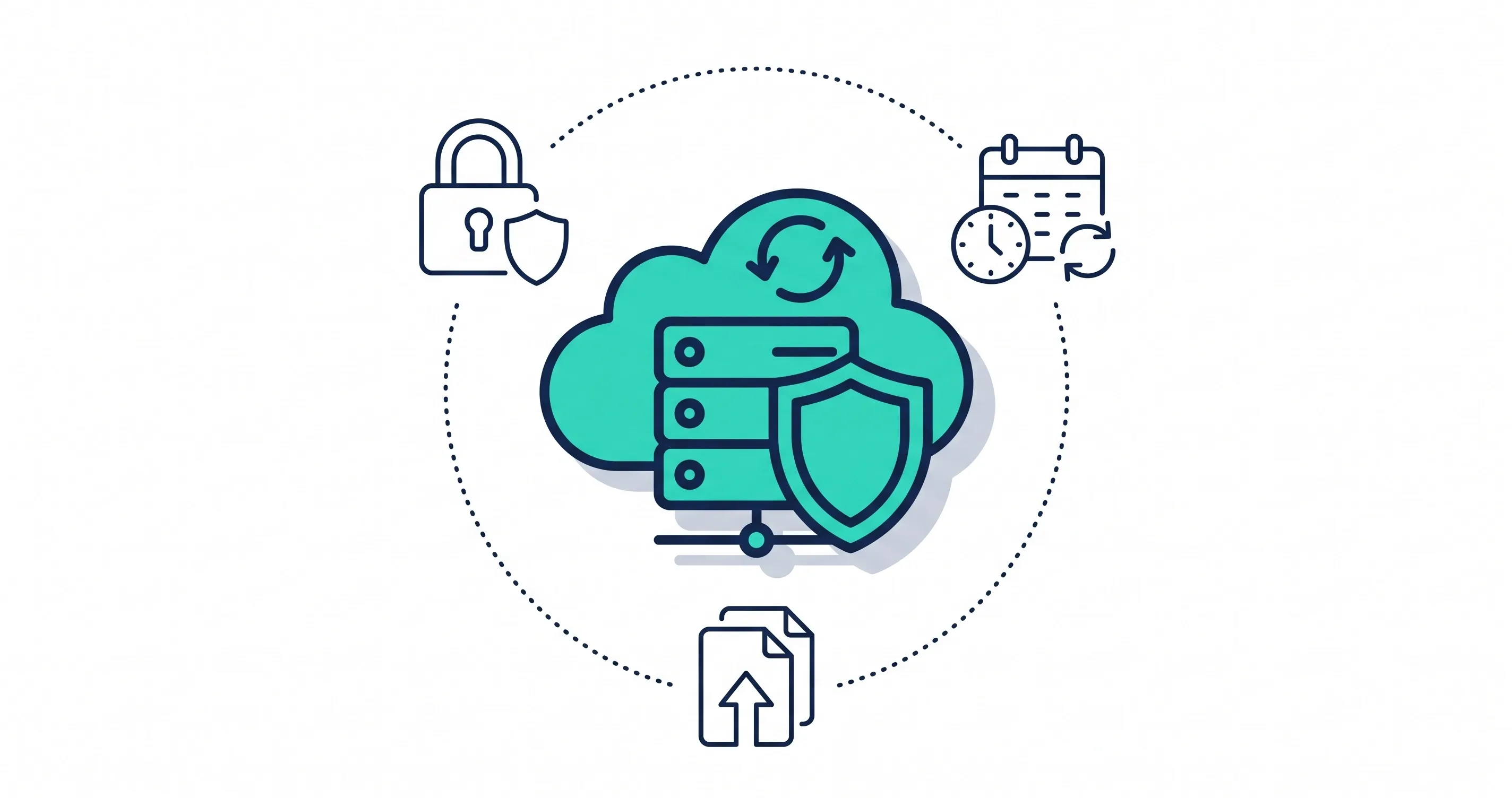
Back end development keeps a website or app running smoothly behind the scenes. It handles data, processes requests, and makes sure every action on the front end works the right way. When the back end is strong and well-structured, users enjoy fast loading times and smooth performance. Understanding how the back end works helps you build better digital experiences and manage complex features with confidence.
Understanding Back End Development
Back end development focuses on everything users cannot see. It controls how data is stored, processed, and delivered to the front end. A strong back end supports secure operations, fast responses, and reliable performance for websites and applications.
What is Back End Development?
Back end development is the process of building the server, database, and logic that power a website or app. It handles requests from users, processes information, and sends results back to the front end. It ensures every action works correctly, whether someone logs in, makes a payment, or loads new content. Without back end development, websites would not function beyond simple static pages.
How the Back End Works Behind the Scenes
The back end runs in the background every time a user interacts with a digital product. When a user clicks a button or submits a form, the request travels to the server. The server reads the request, fetches the necessary data from the database, processes the logic, and returns the correct response. This continuous flow allows users to search, shop, update accounts, and complete tasks without seeing the complex work happening behind the scenes.
Role of the Server, Database, and Application Logic
The back end depends on three main parts.• The server receives requests and sends responses.• The database stores and organizes all important information.• The application logic controls how data flows and how actions are executed.
These pieces work together to create a smooth and secure experience. When all three are well built, the website or app performs fast and handles more traffic without slowing down.
Core Back End Technologies
Back end development uses a collection of tools, languages, and systems that work together behind the scenes. These technologies help your application store data, run logic, and deliver fast responses to users. When you understand the core tools, it becomes easier to build stable and scalable applications that support real business needs.
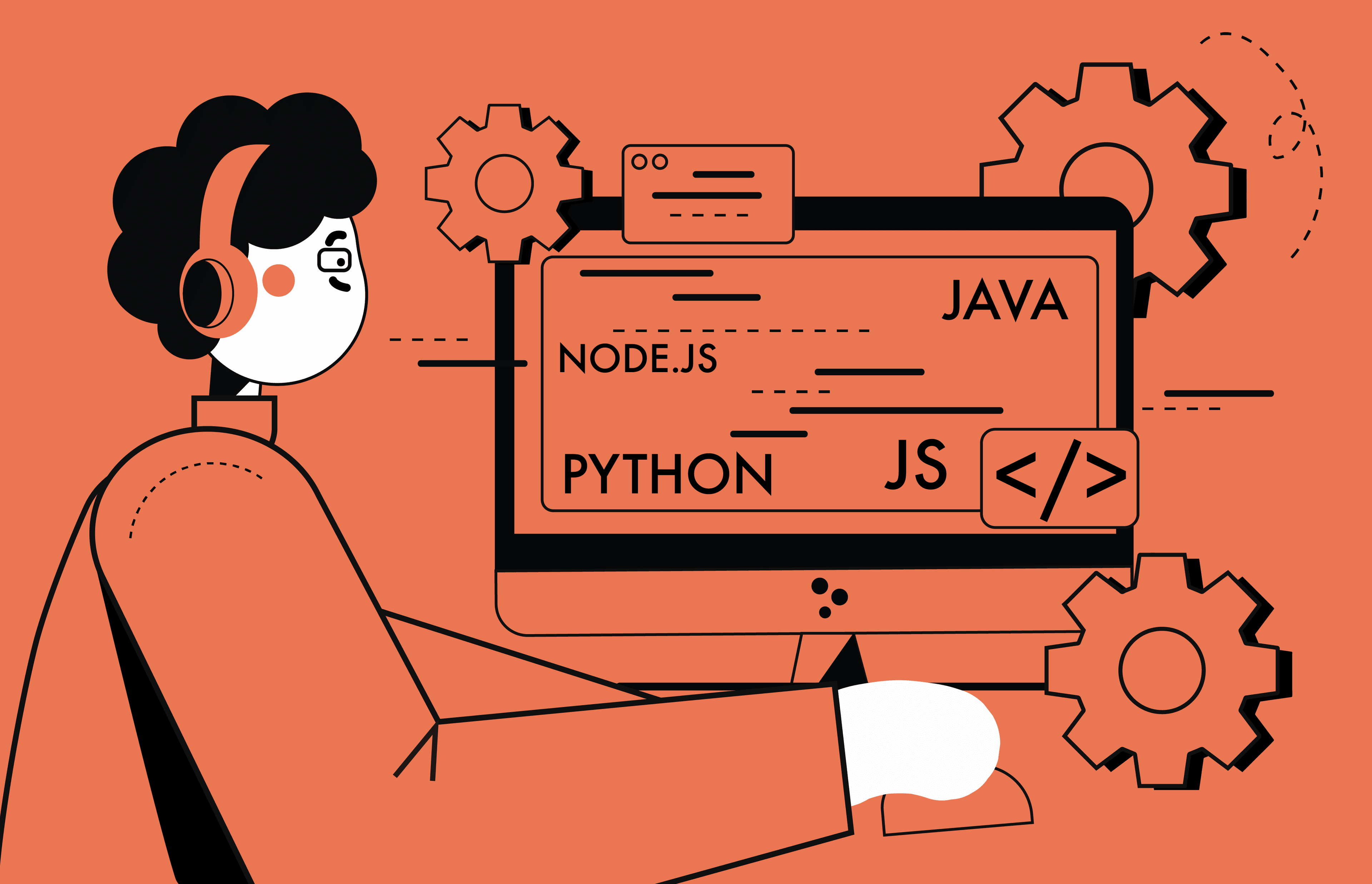
Server-Side Languages (Node.js, Python, PHP, Ruby, Java)
Server-side languages power the logic of your website or application.
- Node.js helps developers use JavaScript on the server, making full stack development easier.
- Python is known for clean syntax and strong frameworks like Django and Flask.
- PHP runs many websites and remains a common choice for CMS platforms.
- Ruby offers a simple structure through Ruby on Rails, which helps fast development.
- Java is used for enterprise applications because it handles large systems well.
Each language serves a different type of project, and a strong back end developer understands how to match the right language with the right requirement.
Databases (SQL and NoSQL)
Databases store and organize the information your application needs.
- SQL databases like MySQL, PostgreSQL, and SQL Server store data in structured tables. They work well for systems that require accuracy and rows of organized information.
- NoSQL databases like MongoDB or Firebase handle flexible data without a fixed structure. They are useful for fast-growing apps, social platforms, or systems that need quick scaling.
Choosing between SQL and NoSQL depends on your data type, speed needs, and complexity of your project.
Server Frameworks and Libraries
Frameworks make back end development faster by giving you pre-built tools.
- Express.js helps developers build APIs quickly with Node.js.
- Laravel brings powerful structure to PHP projects.
- Django provides security and organization for Python applications.
- Spring Boot helps Java developers build enterprise-level systems efficiently.
Libraries and frameworks reduce repetitive work and give you a clean foundation for complex features.
What Back End Developers Do
Back end developers handle everything the user cannot see but always relies on. They build the logic, secure the data, and make sure the website or app works consistently. Their work supports the entire structure and ensures every feature runs smoothly.
Building Server Logic and APIs
Back end developers create the logic that controls how an application behaves. They write functions that respond to user actions and deliver the right data. APIs allow the front end to connect with the server, share information, and run features without breaking the flow. Clear and well-designed APIs keep the system stable and easy to maintain.
Managing Databases and Data Storage
Every website needs a place to store information such as user accounts, orders, messages, or product details. Back end developers manage how data is stored, organized, updated, and protected. They choose the right database type and create efficient queries so the system responds quickly. Proper data handling keeps the application accurate and reliable.
Handling Authentication and Security
Security is one of the most important tasks in back end development. Developers create secure login systems, protect user data, encrypt sensitive information, and block unauthorized access. They also monitor threats and update security rules to keep the system safe. Strong authentication protects both the business and the user.
Improving Website Speed and Performance
Back end developers optimize how the server processes requests. They reduce heavy operations, improve database queries, and use caching to deliver results faster. When performance is optimized, users enjoy a smooth experience and the system handles more traffic without slowing down. Good performance also supports stronger SEO and higher retention rates.
Essential Tools for Back End Developers
Back end developers rely on a set of tools that help them write clean code, test features, store data, and manage large projects. These tools improve workflow and make development easier and faster. When you use the right tools, you build stronger systems and handle complex tasks with more confidence.
Code Editors and IDEs
Code editors and IDEs help developers write, structure, and organize their code. Tools like VS Code, JetBrains IntelliJ, PyCharm, and PHPStorm offer features that save time, such as syntax highlighting, extensions, debugging support, autocomplete suggestions, and integrated terminals. A good editor helps you spot errors early and stay organized while working on large projects.
Many developers prefer VS Code because it is lightweight, free, and customizable. IDEs offer deeper tools for complex languages and large applications. When your editor supports your workflow, back end development becomes smooth and efficient from start to finish.
Version Control (Git)
Git is one of the most important tools for back end developers. It helps you manage changes, track revisions, and work on new features without breaking the main project. Git also allows teams to collaborate, merge updates, and review code. Platforms like GitHub, GitLab, and Bitbucket make it easy to store projects online and control access.
Version control prevents code loss and keeps your project history safe. It also helps you test changes in separate branches before sending them to production. When you understand Git, you can work confidently on any back end system with a team or on your own.
Testing and Debugging Tools
Testing and debugging tools help developers find and fix issues before users ever see them. Tools like Postman, Jest, PHPUnit, Mocha, and built-in language debuggers help you test APIs, review output, and ensure that features work correctly. Debugging tools show errors clearly so you can solve problems faster.
Testing also improves reliability because every function must behave as expected. These tools are essential for back end development because they keep applications stable, secure, and ready for real-world traffic. A strong testing workflow reduces risks and builds trust in your code.
Skills Required for Back End Development
Back end development requires a mix of technical knowledge and problem-solving skills. These skills help you handle data, build APIs, secure systems, and support user features. The stronger your foundation, the easier it becomes to build powerful applications.
Programming Fundamentals
Strong programming fundamentals help you understand how logic flows through a system. You learn how functions work, how data moves, and how to solve problems with clean code. Concepts like loops, conditionals, data structures, and algorithms are part of everyday back end tasks. When you understand these basics, you can learn any language faster and avoid errors that slow development. Good fundamentals also help you write code that is easier to maintain and improve over time.
Database Management
Back end developers manage data in databases that store user information, product details, transactions, and more. You must understand how SQL and NoSQL databases work and how to design tables or collections properly. Skills like writing queries, indexing, and optimizing database performance help you keep the website or app running smoothly. Strong database management prevents slow loading, reduces errors, and protects data from becoming inconsistent. This skill is essential for every back end role.
API Design
Back end developers build APIs that connect the front end to the server. Good API design helps apps run smoothly and improves how data is shared. You learn how to structure endpoints, handle requests, return clean responses, and maintain security. Clear API design also helps other developers understand your system without confusion. When APIs follow strong rules, they become easier to test, scale, and maintain. API design is one of the most important skills in modern back end development.
Security Best Practices
Security plays a major role in back end development because servers and databases hold sensitive information. You must know how to protect data, prevent attacks, and follow safe coding practices. This includes hashing passwords, validating input, preventing SQL injection, securing APIs, and using encryption where needed. Strong security ensures the system stays protected even under heavy traffic or targeted threats. When you follow security best practices, your applications stay safe for users and businesses.

Back End vs Front End Development
Back end and front end development work together to create complete websites and applications. Each side handles different tasks but depends on the other for a smooth user experience.
Key Differences
The front end focuses on what users see: layout, design, buttons, forms, and visuals. The back end focuses on everything behind the scenes: servers, databases, APIs, and logic. The front end handles interaction, while the back end handles data. Both roles require different skills, tools, and workflows. Together, they create a working system that users enjoy and understand.
How They Work Together
The front end sends requests to the back end, and the back end processes them before sending a response. This process allows users to log in, shop, search, and interact with content. Developers from both sides collaborate to ensure data flows smoothly from the server to the user and back again. Strong communication helps both sides create a fast and reliable application.
Which One Should You Learn First?
If you enjoy visuals and creative work, start with the front end. If you enjoy logic, data, and problem-solving, start with the back end. Many people eventually learn both, but starting with one area helps you build strong skills before moving on. Back end development usually requires more technical depth, while front end development helps you see results faster.
Deployment and CI/CD Tools
Deployment and CI/CD tools help developers push updates smoothly without breaking the system. Tools like Docker, Jenkins, GitHub Actions, and Kubernetes automate testing, deployment, and scaling. They help you deliver updates quickly and keep the application stable during changes. CI/CD pipelines reduce errors and support modern development workflows.
Conclusion
Back End Development powers the data, logic, and performance behind every website or application. It controls how information moves, how users stay secure, and how features work together. When you understand how servers, databases, and APIs connect, you gain the skills to build reliable systems that support real users. Back end developers shape how fast a site loads, how safe it feels, and how smooth every interaction becomes.
Read More About: Front End Development: The Complete Guide
Share this article