10 Core Elements of Modern Web Design
Modern Web Design helps websites look clean, fast, and easy to use. It focuses on simple layouts, strong visuals, and smooth performance across all devices. When a website follows modern design principles, users stay longer because the experience feels natural and enjoyable. Understanding these core ideas helps you build a site that feels fresh, trustworthy, and ready for today’s digital expectations.
What Is Modern Web Design
Modern Web Design describes a style that uses clean layouts, strong usability, and clear visual structure. It focuses on making every part of the website helpful and easy to understand. Modern websites avoid clutter and use design elements that guide users smoothly from one section to another.
Key Features That Define Modern Websites
Modern websites use simple layouts, balanced spacing, easy navigation, and strong typography. They load fast, adapt to all screen sizes, and use visuals that support the message. These features create a smooth experience and help users find information without confusion. When done well, the website feels clear and professional.
Why User Experience Matters
User experience decides how visitors feel when they interact with your website. If the design is simple, fast, and easy to follow, users trust the site and stay longer. A strong user experience helps increase conversions, improves search visibility, and builds a more reliable online presence.
How Trends Shape Modern Design
Design trends guide how websites evolve over time. Ideas like minimal layouts, bold fonts, soft color palettes, and micro-interactions shape what feels modern today. These trends come from user behavior and technology changes. Following the right trends helps your website stay current and meet user expectations without losing clarity or function.
Core Elements of Modern Web Design
Modern web design focuses on clarity, speed, and strong visual structure. Each element works together to create a smooth experience that helps users find what they need quickly. These core elements shape how a website looks and how it feels, which directly affects engagement, trust, and conversions.
Clean and Minimal Layouts
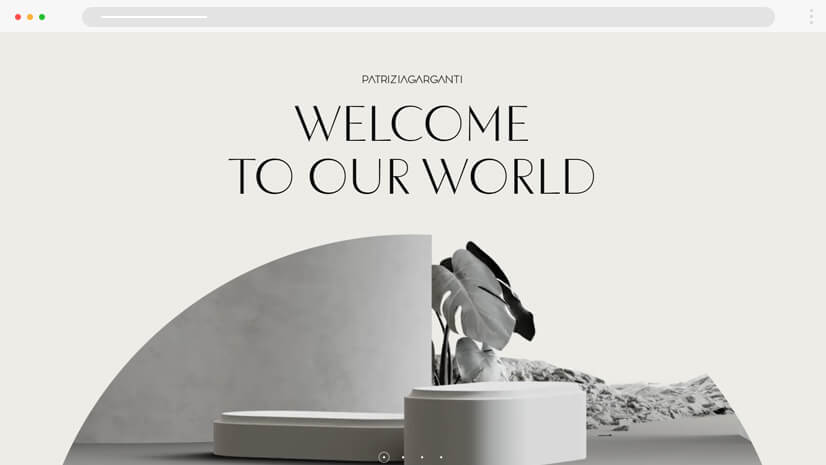
A clean layout removes clutter and helps users focus on the most important information. Modern websites use open space, simple structures, and balanced sections to keep pages easy to scan. Minimal design also helps pages load faster and look more professional across all screen sizes.
Mobile-First Responsive Design
Most people browse on mobile devices, so modern web design always focuses on mobile-first layouts. Pages adjust to different screen sizes without breaking the design. Buttons stay easy to tap, text remains readable, and images resize smoothly. This approach improves overall usability.
Fast Loading Speed
Speed is one of the biggest parts of modern design. Fast-loading pages keep users engaged and help websites rank better in search results. Designers reduce heavy files, optimize images, and clean code to keep websites running smoothly. A fast site builds trust and supports conversions.
Strong Visual Hierarchy
Modern websites guide users with clear visual direction. Headlines, colors, spacing, and sizing all help show what matters most. A strong hierarchy makes content easier to understand and helps people move from one section to the next without confusion.

High-Quality Images and Media
Sharp images and clear graphics help websites feel more appealing and professional. Modern designs use media that loads quickly and stays stable across devices. Quality visuals support storytelling and help users connect with the brand.
Consistent Branding and Color Schemes
A consistent color palette and repeated brand elements help users recognize your business instantly. Modern web design uses colors to guide attention, support hierarchy, and create emotional impact. This consistency helps build trust and strengthens brand identity.
Easy and Intuitive Navigation
Users expect simple navigation that helps them reach any page quickly. Modern websites use clear menus, logical paths, and short labels. When navigation feels easy, users stay longer and complete more actions.
Accessible and Inclusive Design
Accessibility helps every user enjoy the website, including those with disabilities. Modern design includes readable text, proper contrast, alt text for images, and keyboard-friendly navigation. Inclusive websites reach a wider audience and avoid usability issues.
Interactive Elements and Micro-Animations
Small animations and interactive moments add personality and guide user actions. These micro-animations highlight buttons, reveal sections, or give feedback during interactions. When used correctly, they make the experience smoother without slowing the page.
Clear CTAs and Conversion-Focused Layouts
Strong calls-to-action guide users toward the next step. Modern design places CTAs in visible spots with clear messages. The layout supports conversions by reducing distractions, keeping forms simple, and making contact options easy to find.
Why Modern Web Design Improves Performance
Modern web design improves how users interact with your website and how search engines evaluate your pages. A clean layout, fast loading speed, and strong visual structure help users move through your site without confusion.
Better Engagement and Lower Bounce Rates
Modern websites keep users engaged through simple layouts, clean spacing, and fast load times. When users find what they need quickly, they stay longer and explore more pages. This reduces bounce rates and increases interactions because the design guides them smoothly from one section to the next. Clear headings, readable text, and intuitive visuals help users enjoy the experience and return more often.
Stronger Search Visibility
Search engines reward websites that load quickly, stay mobile-friendly, and offer a smooth experience. Modern design supports all these elements by using clean structure, optimized images, and better page organization. These improvements make it easier for search engines to crawl your pages and understand your content. As a result, your site has a stronger chance to appear higher in search results and reach more people.
Improved User Trust and Experience
A modern website instantly feels more reliable and professional. Users trust brands that offer a smooth, visually consistent, and easy experience. Clean design, fast speed, and clear calls to action help users feel confident while browsing. This trust leads to more conversions and stronger long-term engagement because the website feels safe and simple to use.
How to Apply These Elements to Your Website
Modern web design only works when you apply each element with purpose. Your goal is to create a website that feels clean, fast, and easy to use. When you follow a clear plan, every change you make improves performance and supports stronger engagement. These steps help you turn modern design principles into practical improvements on your website.
Audit Your Current Design
Start by reviewing what already works and what slows users down. Look at your layouts, page speed, navigation, and mobile experience. Identify areas that feel outdated or confusing. This audit gives you a clear list of improvements so you can make updates with confidence instead of guessing what needs to change.
Prioritize Mobile and Speed
A modern website must load fast and work well on every screen size. Focus on compressing images, cleaning code, and removing heavy scripts. Check how your layout responds on mobile devices. Smooth mobile performance builds trust and keeps users engaged from the first interaction.
Update Branding and Visuals
Modern design depends on clean visuals, consistent colors, readable fonts, and high-quality media. Update outdated graphics and choose a simple color palette that matches your brand. These changes help your website feel polished and professional without overwhelming the user.
Test With Real Users
Watch real people use your website. Ask them what feels confusing, slow, or unclear. User testing helps you understand how people interact with your pages in real time. With this feedback, you can make targeted improvements that directly support a better experience.
Common Mistakes to Avoid in Modern Web Design
Modern design is simple, but mistakes happen when you add too much visual weight or skip important usability standards. Avoiding these mistakes ensures your website stays clean, fast, and easy for everyone.
Overusing Effects
Animations, transitions, and visual effects can add personality, but overusing them slows the site and distracts users. Use effects only when they support the message or guide attention. Modern design works best when movement feels natural and purposeful.
Cluttered Layouts
Too many sections, colors, or elements make your website hard to scan. Clutter pushes users away because they cannot focus on what matters. Keep layouts simple, with clear spacing and a strong visual hierarchy that directs attention naturally.
Ignoring Accessibility Standards
A modern website must work for everyone. Skipping accessibility features harms user experience and limits your audience. Use readable fonts, proper color contrast, alt text for images, and keyboard-friendly navigation. These steps support inclusivity and help visitors trust your brand.
Conclusion
Modern web design shapes how users feel the moment they reach your site. When your website loads fast, looks clean, and stays easy to use, people trust your brand and stay longer. These elements help you improve performance, boost search visibility, and create better experiences for every visitor. By applying strong design practices and avoiding common mistakes, you can build a website that looks current and performs well. A modern design does more than improve style. It supports your growth and helps your website stay successful in a competitive online space.
Read More About: 8 Reasons for Slow Website Loading
FAQs
How can white space benefit website design?
White space creates balance, improves readability, and enhances visual appeal, making the website appear neat and organized.
What is the significance of accessibility in web design?
Accessibility ensures that all users, including those with disabilities, can access and navigate the website effectively and comfortably.
Why is modern web design important?
Modern web design helps you improve engagement, trust, and search visibility. Users stay longer when a site loads fast and feels easy to use. Search engines also reward pages with better performance, which helps you reach more people over time.
Do modern web design trends affect SEO?
Yes. Modern design trends improve load speed, mobile experience, and site structure, which all influence SEO. When your website feels simple and fast, search engines understand your content better.