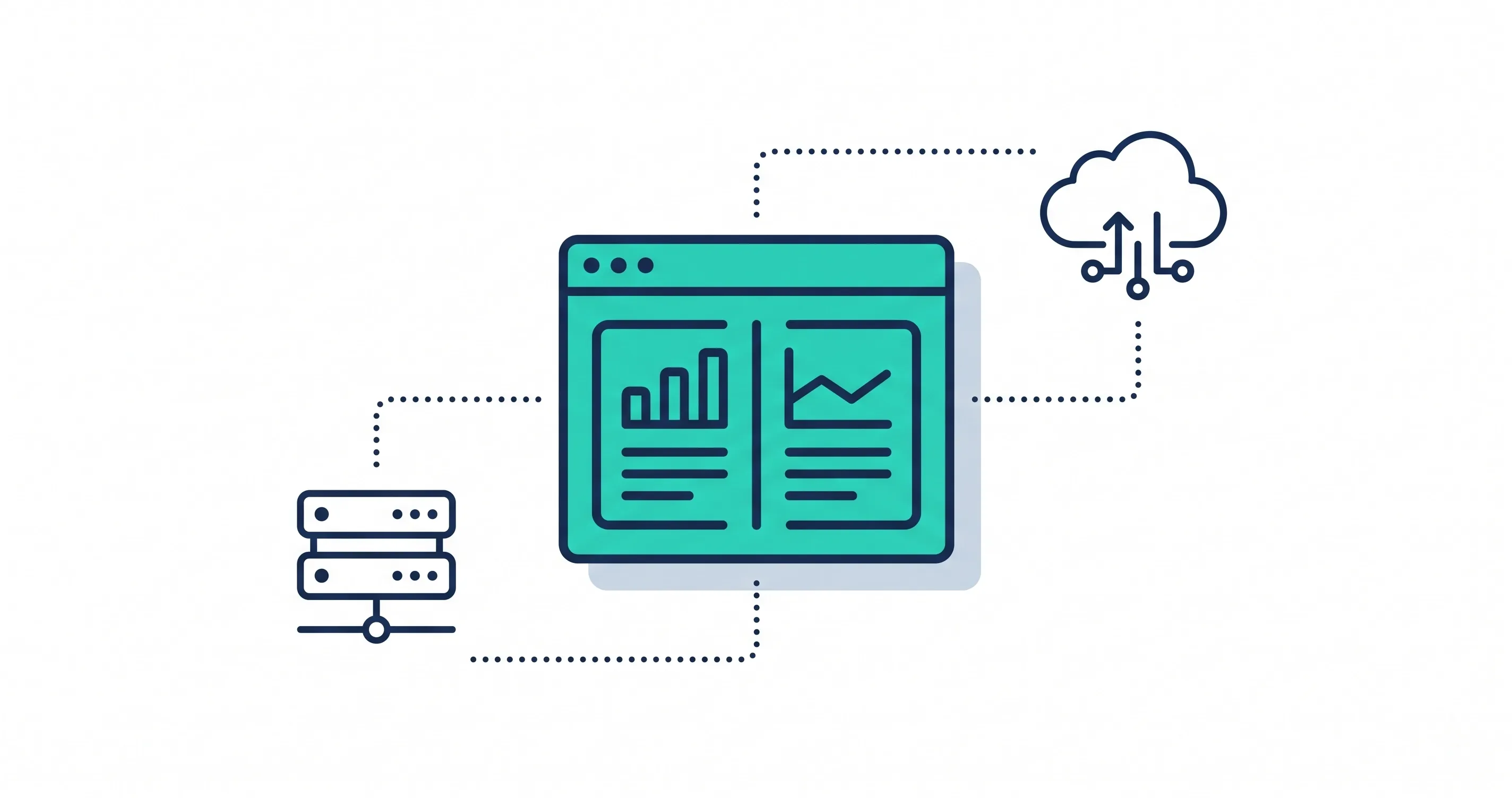
Load balancing in web hosting helps websites handle traffic efficiently and stay available during high demand. It ensures that no single server gets overloaded, which improves speed and reliability.
As websites grow, managing traffic becomes more complex, and load balancing becomes essential. Understanding how it works helps you build a faster and more stable online presence.
What Is Load Balancing in Web Hosting?
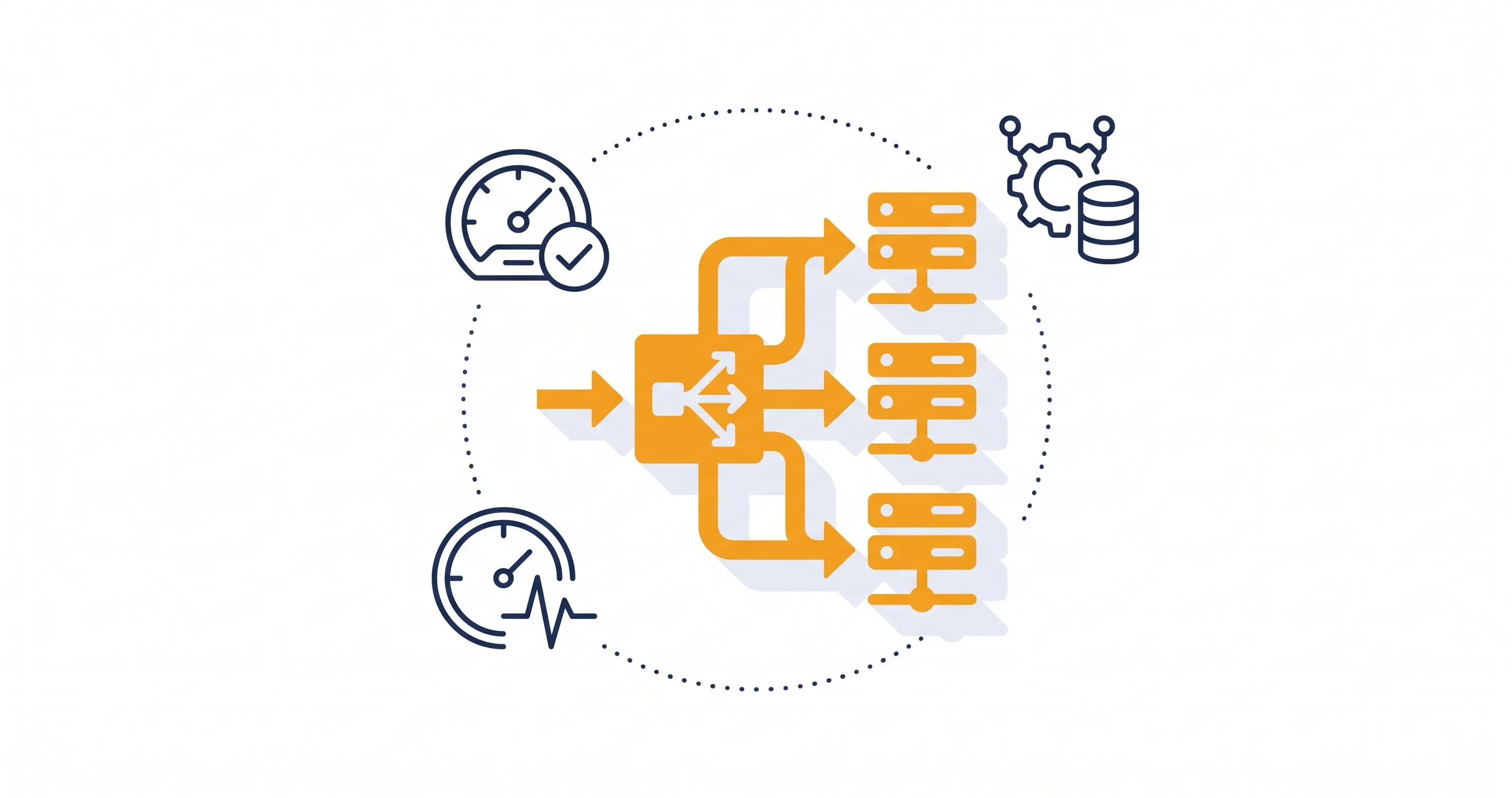
Load balancing in web hosting is a method used to distribute incoming website traffic across multiple servers. Instead of sending all user requests to one server, a load balancer directs traffic to several servers based on availability and capacity.
This process improves performance, reduces downtime, and ensures a smoother user experience. It acts as a middle layer between users and servers, making sure requests are handled efficiently.
How Load Balancing Works
Load balancing works by managing how incoming traffic is shared between multiple servers. It ensures that each request is handled by the most suitable server without overloading any single system.
User Sends a Request
When a user visits a website, their browser sends a request to access the server. This request includes all the necessary data needed to load the webpage.
Load Balancer Receives Traffic
The load balancer acts as the entry point and receives the user’s request. It analyzes current server conditions to decide where the request should go.
Traffic Is Distributed to Servers
The load balancer forwards the request to one of several available servers. It chooses the server based on predefined rules or current workload to maintain balance.
Server Sends Response Back
The selected server processes the request and sends the response back through the load balancer. The user then receives the webpage without noticing the distribution process.
Types of Load Balancing in Web Hosting
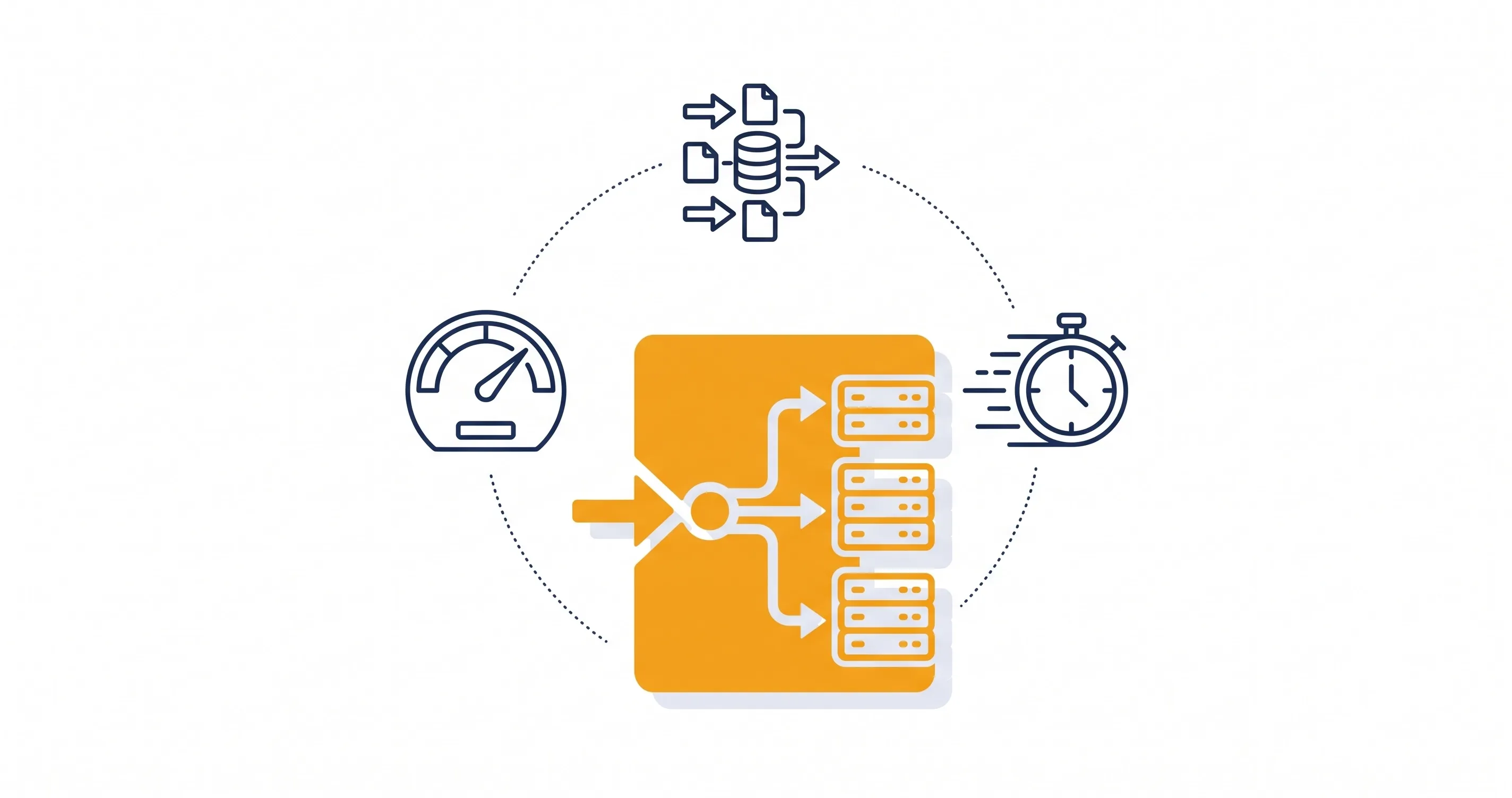
Different load balancing methods are used to distribute traffic based on specific strategies. Each type focuses on improving performance and handling server load efficiently.
Round Robin Load Balancing
Round robin distributes traffic evenly across all available servers in a fixed order. Each new request is sent to the next server in the sequence. This method is simple and works well when all servers have similar capacity.
Least Connections Method
The least connections method sends traffic to the server with the fewest active connections. This helps balance uneven workloads and improves performance during traffic spikes. It is useful when servers handle requests with varying processing times.
IP Hash Method
IP hash assigns users to a specific server based on their IP address. This ensures that the same user is consistently connected to the same server. It is helpful for maintaining session consistency in certain applications.
Why Load Balancing Is Important for Websites
Load balancing plays a key role in maintaining website performance and stability, especially during high traffic periods.
- Improves website speed by distributing traffic across multiple servers
- Prevents server overload and reduces the risk of downtime
- Ensures high availability even if one server fails
- Supports scalability as website traffic grows over time
- Enhances user experience with faster and consistent performance
- Helps maintain stability during traffic spikes or sudden demand increases
Real-World Example of Load Balancing
Load balancing becomes essential when a website experiences sudden spikes in traffic. Consider an e-commerce store during a major sale event. Thousands of users visit the website at the same time to browse and make purchases. Without proper traffic distribution, a single server would struggle to handle all requests.
With load balancing in place, incoming traffic is distributed across multiple servers. Each server handles a portion of the requests, which keeps the website fast and responsive. This ensures users can browse products, add items to cart, and complete purchases without delays or crashes.
What Happens Without Load Balancing
Without load balancing, all traffic is directed to a single server, which increases the risk of performance issues. As traffic grows, the server can become overloaded and slow down significantly. This leads to poor user experience and longer loading times.
In high traffic situations, the server may crash completely, making the website unavailable. This can result in lost sales, reduced user trust, and negative impact on search rankings. Without a backup system, even minor traffic spikes can cause serious disruptions.
When Do You Need Load Balancing?
Load balancing becomes important when your website starts handling more traffic and requires better performance. It helps maintain stability, improve speed, and ensure consistent user experience as your online presence grows.
High Traffic Websites
Websites with high daily visitors need load balancing to manage large volumes of requests efficiently. It prevents servers from becoming overloaded and ensures smooth performance even during peak hours.
Growing Online Businesses
As online businesses expand, website traffic increases steadily over time. Load balancing helps support this growth by distributing traffic and maintaining consistent performance without interruptions.
Need for High Uptime
Websites that require constant availability benefit from load balancing. If one server fails, traffic is automatically redirected to other servers, ensuring the website remains accessible.
Final Thoughts
Load balancing is a critical part of modern web hosting that improves performance, reliability, and scalability. It ensures that websites can handle traffic efficiently without slowing down or crashing. As your website grows, implementing load balancing becomes essential for maintaining a smooth and consistent user experience.
Share this article